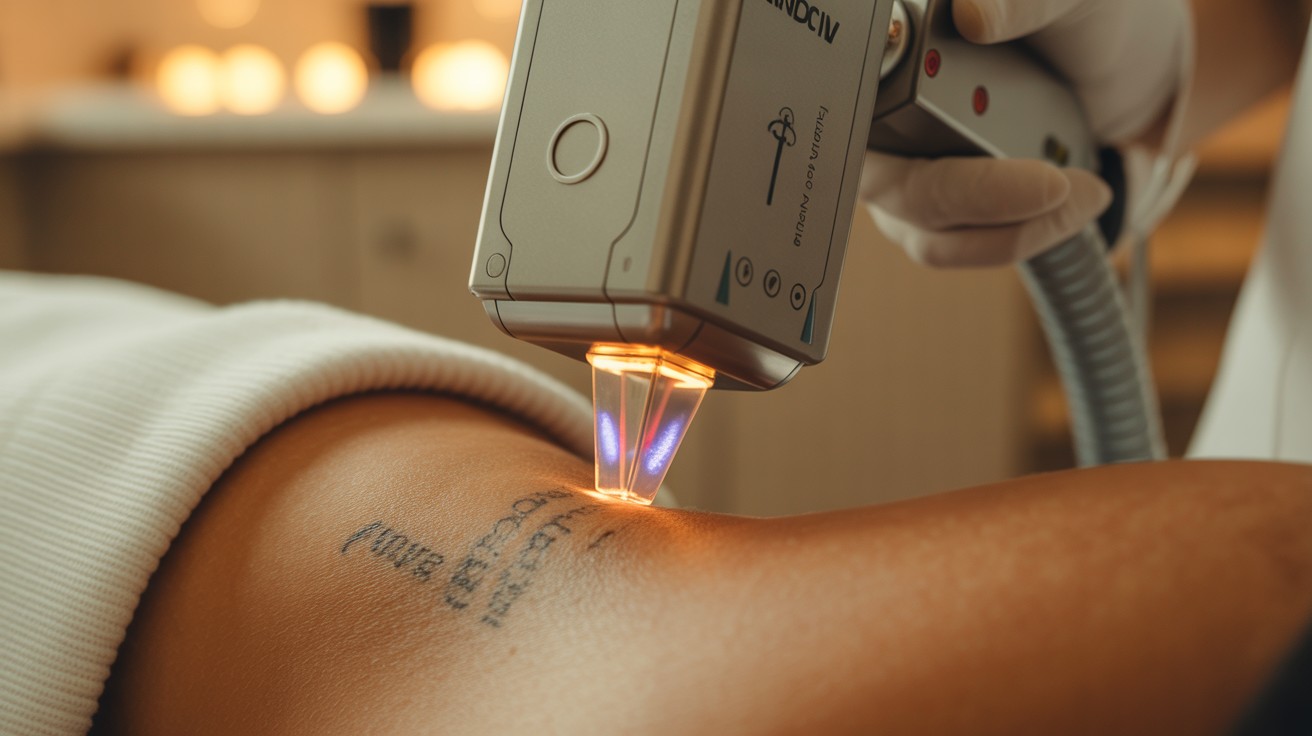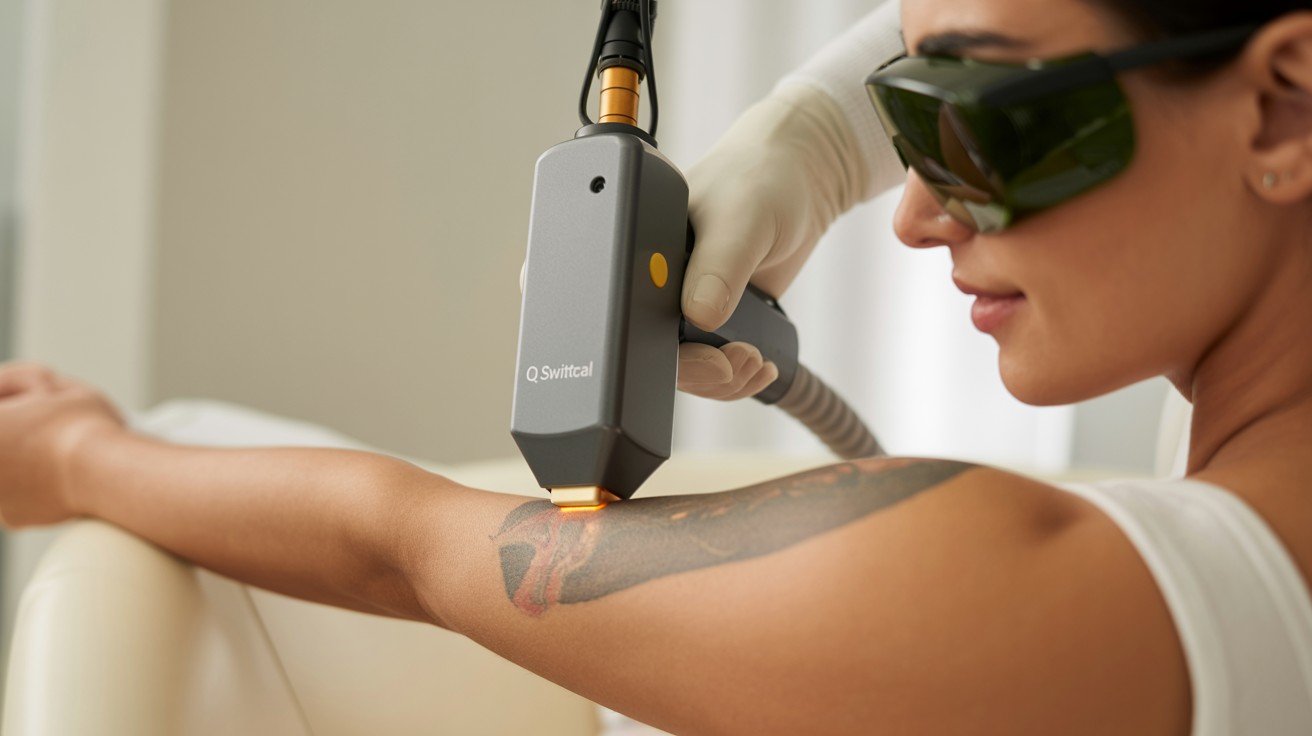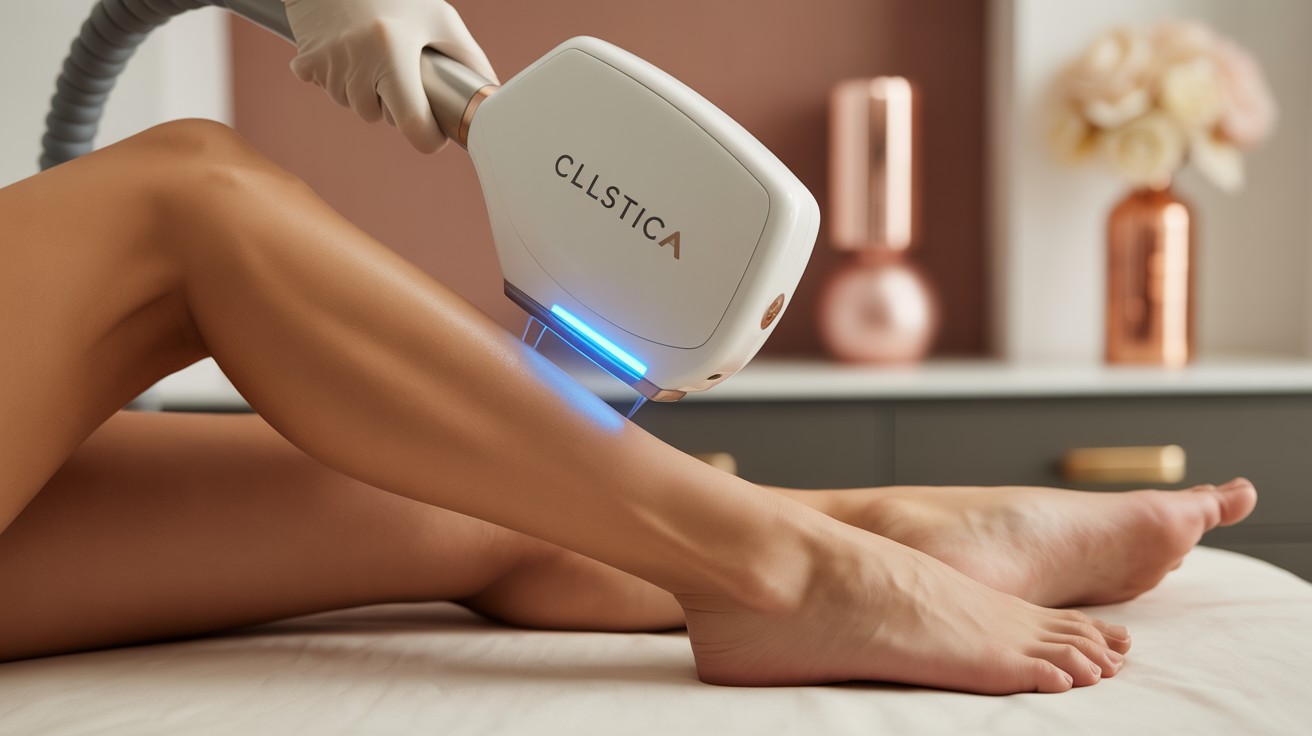

Whether it's a reminder of a past relationship, a youthful decision you've outgrown, or simply a tattoo that no longer fits your style, you're not alone in wanting it gone. Tattoo removal technology has advanced significantly, making it possible to effectively remove or fade most tattoos.
Laser Tattoo Removal: The Gold Standard
Laser removal remains the most effective and safest method for removing unwanted tattoos. Modern Q-switched and picosecond lasers can target ink particles with remarkable precision, breaking them down so your body can naturally eliminate them.
How Laser Tattoo Removal Works
Laser energy penetrates the skin and is absorbed by tattoo ink particles. The rapid heating causes the ink to shatter into tiny fragments small enough for your immune system to flush away. Different wavelengths target different ink colors, which is why professional removal often uses multiple lasers.
PicoSure vs. Q-Switched Lasers
Q-switched lasers (nanosecond technology) have been the standard for decades and remain highly effective. PicoSure (picosecond technology) delivers energy in even shorter bursts, potentially clearing tattoos faster with fewer treatments—especially for stubborn colors like blues and greens.
Factors Affecting Your Results
Not all tattoos remove equally. Several factors influence how quickly and completely your tattoo will fade, and understanding these helps set realistic expectations.
Want clearer, healthier skin?
Book a free skin analysis and let our team recommend the best treatment plan for your concerns.
Ink Colors and Their Challenges
Black and dark blue inks respond best to laser treatment and typically clear most completely. Red, orange, and yellow inks are moderately responsive. Green, light blue, and white inks are the most challenging and may require specialized lasers or additional treatments.
Location and Circulation
Tattoos on areas with better blood circulation (torso, upper arms) typically fade faster than those on extremities (hands, feet, ankles). The lymphatic system plays a crucial role in clearing fragmented ink, so areas with robust circulation have an advantage.
What to Expect During Treatment
Understanding the treatment process helps you prepare mentally and physically for your tattoo removal journey.
The Treatment Experience
Most patients describe the sensation as similar to a rubber band snapping against the skin, followed by heat. We use topical numbing and cooling devices to maximize comfort. Sessions typically last 15-30 minutes depending on tattoo size.
Aftercare and Healing
Post-treatment, the area will appear white ("frosting") before developing redness and swelling similar to a mild sunburn. Blistering is normal and part of the healing process. Most patients return to normal activities immediately, though the treated area needs protection from sun exposure.
Timeline and Costs
Complete tattoo removal typically requires 6-12 sessions spaced 6-8 weeks apart, meaning the full process takes 1-2 years. Sessions range from $200-$500 depending on tattoo size, with package pricing often available for multiple sessions.
Is It Worth the Investment?
For many patients, the freedom from an unwanted tattoo is priceless. We offer free assessments to assess your tattoo and provide honest expectations about the number of treatments needed and likely results.
About This Article

Dr. Steven Cherrington, DO
Board-Certified Osteopathic Physician • Medical Director, Gentle Revive • Fellow, American Academy of Anti-Aging Medicine
Dr. Steven Cherrington is a Board-Certified Osteopathic Physician and Medical Director at Gentle Revive. With over 15 years of experience in regenerative and aesthetic medicine, Dr. Cherrington specializes in helping patients achieve natural, lasting results through evidence-based treatments.
Editorial Process: Initial content ideas and drafts may be generated with the assistance of AI language models. Every article is then thoroughly reviewed, edited, and medically verified by our clinical team before publication to ensure accuracy, relevance, and alignment with current medical standards.
This content is for informational purposes only and does not constitute medical advice. Always consult with a qualified healthcare provider for personalized guidance.