
Categories
Body Contouring

Med Spa Treatment Prices 2025: Ultimate Pricing Guide for Popular Procedures

Wondering what med spa treatments will cost in 2025? As the aesthetic industry continues to evolve, staying informed about pricing trends is essential for both providers and clients. From Botox injections to IV hydration therapy, understanding the current market rates helps you make smart decisions for your beauty and wellness journey.

Med spa treatments range widely in price, with Botox remaining a popular option as a quick “lunchtime procedure” lasting 3-4 months. Other in-demand services include dermal fillers ($450-$1,000 for lip enhancements) and IV hydration therapy ($100-$250). Many providers now offer package deals for treatments requiring multiple sessions—like bundling 10 laser hair removal sessions at a discount compared to individual appointments.

The Med Spa Industry Outlook for 2025

The medical spa industry has experienced remarkable growth, with the global market reaching approximately $25 billion in 2025. Industry projections indicate a compound annual growth rate (CAGR) exceeding 14%, setting the market on track to nearly double by 2030. According to the American Med Spa Association (AmSpa), the number of med spa locations operating in the United States has increased by thousands in recent years, with a notable rise in establishments operating multiple locations.

Med spas continue to evolve in response to consumer demand for cutting-edge anti-aging and aesthetic solutions. Clients in 2025 are increasingly knowledgeable about treatment options and expect their preferred providers to offer the latest innovations. This competitive landscape presents both challenges and opportunities for med spa owners and operators looking to capture market share.

The distinction between traditional day spas and medical spas has become more defined, with medical spas specializing in aesthetic and cosmetic treatments that require medical expertise. Many medical spas now incorporate traditional day spa services to create comprehensive treatment menus, including:

  • Massage therapy with customized pricing based on technique and duration
  • Specialized facials targeting specific skin concerns like dehydration, acne, or aging
  • Nail services as complementary offerings to maximize client convenience
  • Waxing services with variable pricing structures

Technology adoption remains a critical differentiator in the med spa industry, with facilities investing in state-of-the-art equipment to enhance treatment efficacy and patient outcomes. These technological investments often influence pricing strategies and can serve as a unique selling proposition in competitive markets.

The trend toward treatment packages and membership programs continues to gain momentum as providers recognize the value of recurring revenue and client retention. These bundled offerings typically provide cost savings to clients while ensuring consistent business for med spas. For example, laser hair removal packages might offer a 10-session face treatment for $1,300 instead of the $1,500 full price if purchased individually.

As the industry matures, med spa operators are increasingly focused on balancing competitive pricing with profitability. Successful businesses recognize that sustainable pricing strategies must account for factors like provider expertise, equipment costs, and market positioning while remaining accessible to their target demographic.

Factors Influencing Med Spa Treatment Costs

Med spa treatment pricing varies significantly based on several key factors that impact both the cost structure for providers and the final price you’ll pay as a client. Understanding these influences helps you make informed decisions about your aesthetic journey and set realistic budget expectations.

Geographic Location Pricing Variations

Geographic location dramatically affects med spa treatment costs across the United States. In metropolitan areas like New York City, Los Angeles, and Miami, Botox injections average $400-600 per session compared to $250-400 in smaller cities and rural areas. California med spas typically charge 15-30% more than those in the Midwest for identical treatments. These regional differences stem from variations in operating costs, local competition density, and market demand. For example, rent in prime Beverly Hills locations can be five times higher than comparable facilities in suburban areas, directly impacting service pricing.

Provider Expertise and Facility Quality

Provider expertise significantly impacts treatment pricing at med spas. Treatments performed by board-certified physicians or practitioners with advanced certifications typically cost 20-40% more than those offered by less experienced providers. High-end med spas with medical directors who have specialized training in aesthetic medicine command premium prices, with facial treatments ranging from $300-800 compared to $150-400 at standard facilities. The quality of the facility itself—including amenities, ambiance, and customer service—also factors into pricing structures, with luxury med spas charging accordingly for the enhanced client experience.

Treatment Technology Advancements

The technology behind med spa treatments directly influences their cost structure. State-of-the-art equipment requires substantial investment from providers—advanced laser platforms can cost $50,000-150,000, while next-generation RF microneedling devices average $25,000-75,000. These equipment costs are reflected in treatment pricing, with cutting-edge procedures typically commanding 25-40% higher fees than those using older technology. For instance, traditional microneedling sessions average $300-400, while RF microneedling treatments range from $500-900 per session. Med spas offering proprietary or newly FDA-approved technologies often position these innovations as premium services with corresponding price points.

Popular Facial Treatments: 2025 Price Breakdown

Facial treatments remain the cornerstone of med spa services in 2025, with advancements in technology driving both results and pricing. This breakdown covers current pricing for the most sought-after facial treatments across different markets in the United States.

Botox and Dermal Fillers

Botox continues as the leading injectable treatment in 2025, with broader age demographics seeking preventative applications. Average Botox sessions range from $250-$600, typically priced per unit with most areas requiring 20-50 units. Treatment results last approximately 3-4 months, making it an accessible entry point for aesthetic enhancements.

Dermal fillers command premium pricing of $600-$1,200 per syringe, with specific products like JUVÉDERM VOLUMA XC reaching $750-$950 per application. Lip fillers remain particularly popular, with treatments averaging $450-$995 nationwide. Premium fillers such as Sculptra, which stimulates collagen production over time, command higher prices of $925-$2,000 per treatment session.

Chemical Peels and Microdermabrasion

Chemical peels vary significantly in pricing based on intensity and formulation. Standard peels average $150-$500, while advanced options like Cosmelan MD Depigmentation Peel start at $895. The PERFECT Derma Peel, targeting fine lines and pigmentation issues, averages $325-$375 per session.

Microdermabrasion has evolved into more advanced exfoliation treatments like DiamondGlow, priced at $225-$275 per session. HydraFacial MD, combining cleansing, exfoliation, extraction and hydration, commands $250-$470 per treatment. These treatments offer immediate results with minimal downtime, making them popular monthly maintenance options.

Laser Facial Treatments

Laser treatments represent the high-end segment of facial services in 2025, with pricing reflecting the sophisticated technology involved. Non-ablative laser skin resurfacing averages $1,445 per session, while more intensive ablative treatments reach approximately $2,500.

HALO Laser Skin Resurfacing, offering customizable hybrid technology, ranges from $1,800-$2,700 per treatment. BBL Photorejuvenation for sun damage and pigmentation issues costs $300-$1,250, while MOXI Laser Skin Revitalization commands $375-$1,450. IPL photofacials average $412 per session, targeting redness, sunspots and broken capillaries with minimal downtime.

Advanced combination treatments like Morpheus8 RF Microneedling start at $850, offering both skin tightening and texture improvement. LED Light Facial therapy, one of the more accessible laser options, begins at $200 per session.

Body Contouring and Sculpting: Cost Analysis

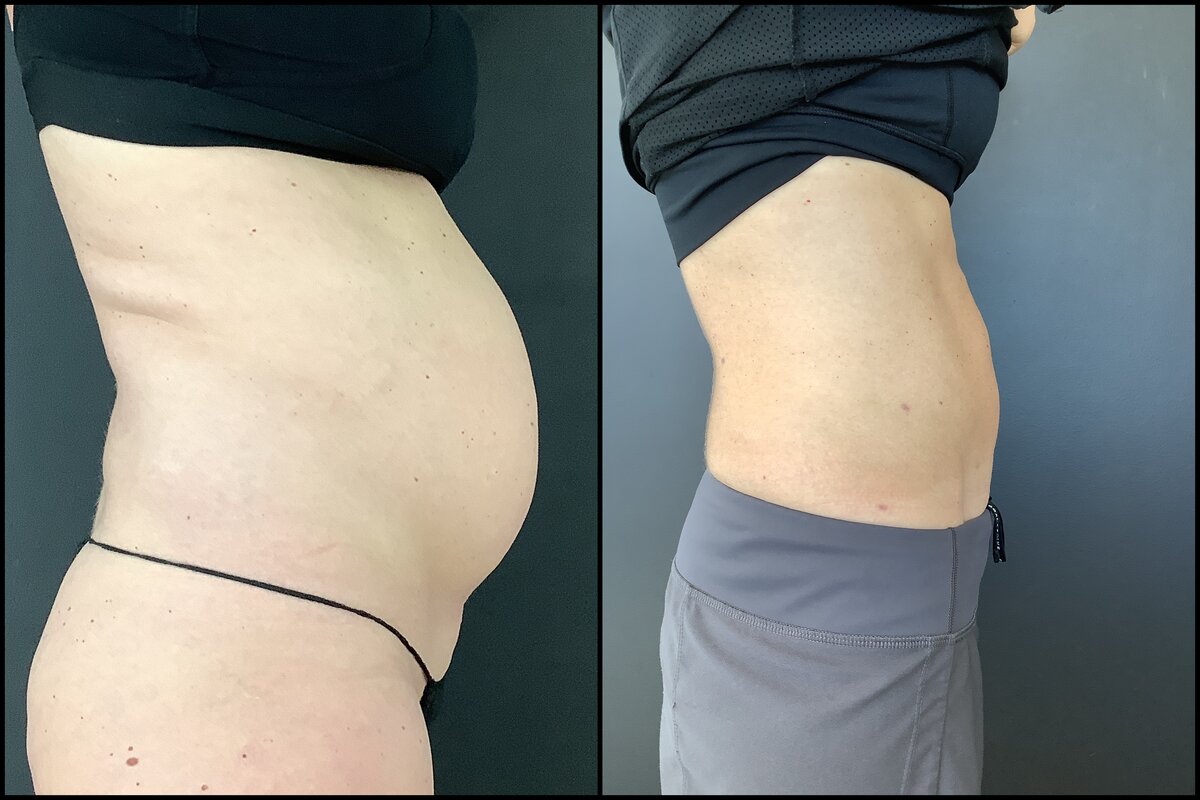
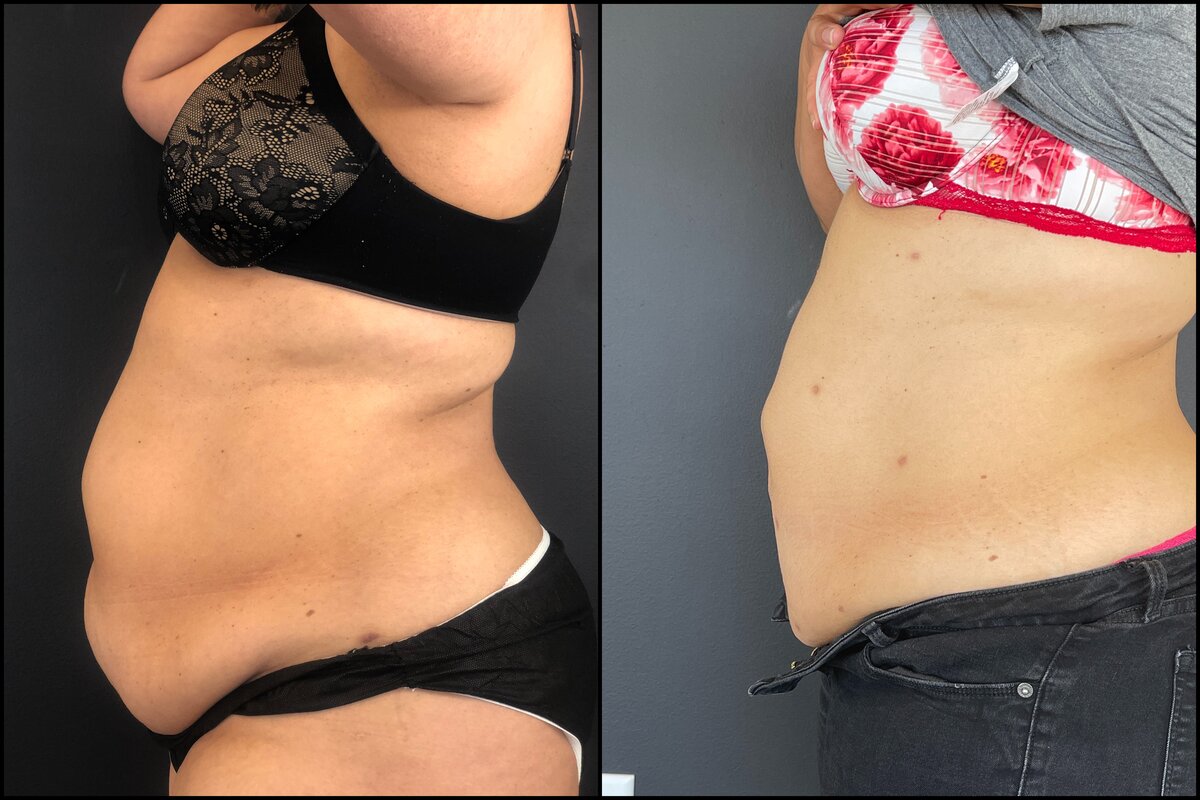
Body contouring treatments continue to dominate the med spa market in 2025, offering clients targeted fat reduction without surgery. These popular procedures address stubborn fat deposits that resist diet and exercise, with pricing varying based on treatment area, technology used, and required sessions.

Non-Invasive Fat Reduction

CoolSculpting leads the non-invasive fat reduction market with treatments averaging $3,200 per session. This FDA-approved procedure freezes and eliminates fat cells through cryolipolysis, targeting areas like the abdomen, flanks, thighs, and under the chin. CoolSculpting Elite packages start at $750 per treatment area, with most clients requiring 2-4 sessions for optimal results. Treatment costs vary based on the size of the area—smaller areas like under the chin typically range from $700-$900, while larger areas like the abdomen can cost $1,500-$2,000 per session. Loyalty programs often provide 10-20% savings for multiple treatments.

Radio frequency fat reduction treatments offer an alternative approach, using ultrasound waves to destroy fat cells while improving skin texture. These treatments range from $900-$4,000 depending on the treatment area size and specific technology used. Most patients require a series of 3-6 treatments spaced 4-6 weeks apart for maximum effectiveness.

Cellulite Treatments

Specialized cellulite reduction treatments address dimpled skin appearance with various technologies and corresponding price points. CoolSmooth, a CoolSculpting variation designed specifically for cellulite and hard-to-reach areas, ranges from $750 and up per treatment area. Most clients require 2-3 sessions for visible improvement.

Radio frequency treatments for cellulite, including ThermiSmooth and other advanced technologies, average $1,450-$4,350 for a complete treatment series. These treatments generate heat to stimulate collagen production and improve skin texture, with 4-6 sessions typically recommended for optimal results.

Injectable cellulite treatments, which break down the fibrous bands causing dimpling, range from $900-$1,500 per session depending on the size of the treatment area. Results can last 1-2 years, making them cost-effective despite the higher initial investment.

Body Tightening Procedures

Body tightening treatments address skin laxity concerns, with costs reflecting the technology sophistication and treatment areas. ThermiVa, a non-surgical vaginal rejuvenation procedure using radiofrequency technology, costs between $1,190-$1,400 per session, with most patients requiring a series of three treatments for optimal results.

Radiofrequency skin tightening for larger body areas like abdomen, arms, or thighs ranges from $2,175-$3,575 per treatment. These procedures stimulate collagen production to improve skin elasticity and texture, with most clients requiring 4-6 treatments spaced 2-4 weeks apart.

LED-based skin tightening treatments offer a more affordable option starting at $200 per session, though multiple treatments are necessary for noticeable results. More advanced options like ultrasound-based skin tightening command premium prices ranging from $1,800-$3,000 per treatment area, with results lasting up to two years with proper maintenance.

Wellness and Rejuvenation Services Pricing

Wellness and rejuvenation services have become integral components of med spa offerings in 2025, extending beyond aesthetic treatments to address overall health and vitality. These services focus on internal wellness while complementing external beauty treatments, creating comprehensive care packages that address multiple client needs simultaneously.

IV Therapy and Vitamin Injections

IV therapy treatments have seen significant growth in med spas across the country, with prices reflecting their specialized nature and ingredient formulations. Standard IV hydration therapy ranges from $100-$250 per session, with costs varying based on vitamin additives and specialized formulations. Premium wellness infusions containing higher concentrations of vitamins, minerals, and antioxidants typically command $200-$400 per session.

Mobile IV services bring these treatments directly to clients’ homes or offices, with prices averaging $150-$300 – approximately 50% higher than in-clinic treatments due to travel expenses and convenience factors. Popular add-ons include vitamin C ($25-$50), B-complex ($30-$75), and glutathione ($40-$100), which can be combined with base packages for customized wellness solutions.

Injectable vitamin therapies, administered intramuscularly rather than intravenously, offer more affordable alternatives:

Injection Type

Average Price Range

Vitamin B12

$25-$75

Glutathione

$50-$150

CoQ10

$75-$175

Weight loss compounds

$45-$125

Most med spas now offer membership programs for regular IV therapy clients, typically providing 10-20% discounts on monthly treatments and priority scheduling benefits.

Hormone Optimization Treatments

Hormone therapy services have evolved into sophisticated, personalized treatment protocols in 2025, with pricing structures reflecting the comprehensive nature of these services. Initial hormone panel testing ranges from $350-$800, covering comprehensive bloodwork analysis of testosterone, estrogen, thyroid function, and related biomarkers.

Bioidentical hormone replacement therapy (BHRT) using pellet insertion technology averages $1,190-$1,400 per treatment session, with effects lasting 3-4 months before requiring renewal. Men’s testosterone optimization programs average $200-$450 monthly, including monitoring and adjustments, while women’s hormone balancing treatments typically range from $250-$500 monthly.

Specialized hormone treatments targeting specific conditions command premium pricing:

Treatment Type

Price Range

Thyroid optimization

$175-$375 monthly

Adrenal support therapy

$150-$300 monthly

Sexual wellness hormone protocols

$300-$600 monthly

Anti-aging growth hormone peptides

$400-$1,200 monthly

Most hormone optimization programs require 6-12 month commitments for optimal results, with many med spas offering package pricing that reduces monthly costs by 15-25% when paid quarterly or semi-annually. Follow-up hormone testing, typically performed every 8-12 weeks during treatment, ranges from $150-$300 per panel, with some facilities including these tests in comprehensive treatment packages.

How to Budget for Med Spa Treatments in 2025

Budgeting effectively for med spa treatments in 2025 requires understanding the various payment structures and financial options available. Smart financial planning enables you to access premium aesthetic services without straining your finances, while maximizing the value of your investment in self-care.

Membership Programs and Packages

Med spa membership programs offer significant cost savings compared to paying for individual treatments. These programs typically provide monthly credits toward services, discounted pricing (10-20% off standard rates), and exclusive member perks. For example, many facilities offer “GLAM” loyalty clubs where members receive priority booking and special pricing on popular treatments like Botox injections and dermal fillers. Package deals reduce overall costs for treatments requiring multiple sessions—a laser hair removal package of 10 treatments might cost $1,300 instead of $1,500 when purchased individually. When evaluating membership options, calculate your annual treatment needs against the membership fee to determine if the savings justify the commitment.

Financing Options and Payment Plans

Med spas increasingly offer flexible payment solutions to make premium treatments more accessible. Common financing options include medical credit cards like CareCredit, in-house payment plans requiring 50% upfront with the balance paid over 2-3 months, and third-party financing partnerships with companies offering 0% interest for qualified applicants. Some med spas also implement “treatment banking” where clients pre-pay for services at current rates to protect against future price increases. Interest rates vary significantly based on credit score and promotion terms, so compare multiple financing options before committing. When financing treatments, focus on the total cost including interest rather than just the monthly payment to accurately assess affordability.

Digital: ## How to Budget for Med Spa Treatments in 2025

Budgeting effectively for med spa treatments in 2025 requires understanding the various payment structures and financial options available. Smart financial planning enables you to access premium aesthetic services without straining your finances, while maximizing the value of your investment in self-care.

Membership Programs and Packages

Med spa membership programs offer significant cost savings compared to paying for individual treatments. These programs typically provide monthly credits toward services, discounted pricing (10-20% off standard rates), and exclusive member perks. For example, many facilities offer “GLAM” loyalty clubs where members receive priority booking and special pricing on popular treatments like Botox injections and dermal fillers. Package deals reduce overall costs for treatments requiring multiple sessions—a laser hair removal package of 10 treatments might cost $1,300 instead of $1,500 when purchased individually. When evaluating membership options, calculate your annual treatment needs against the membership fee to determine if the savings justify the commitment.

Financing Options and Payment Plans

Med spas increasingly offer flexible payment solutions to make premium treatments more accessible. Common financing options include medical credit cards like CareCredit, in-house payment plans requiring 50% upfront with the balance paid over 2-3 months, and third-party financing partnerships with companies offering 0% interest for qualified applicants. Some med spas also implement “treatment banking” where clients pre-pay for services at current rates to protect against future price increases. Interest rates vary significantly based on credit score and promotion terms, so compare multiple financing options before committing. When financing treatments, focus on the total cost including interest rather than just the monthly payment to accurately assess affordability.

Gentle Revive Medical Spa and Clinic: Lindon UT

Gentle Revive Medical Spa in Lindon, Utah offers a comprehensive range of aesthetic treatments with competitive pricing reflective of the local market. Their service menu includes both traditional med spa offerings and cutting-edge technologies to address diverse client needs.

Treatment Pricing Structure

Gentle Revive’s pricing aligns with the Utah market while considering several key factors. Treatment costs vary based on the technology used, treatment area size, and provider expertise. Their injectable services start at $250 for targeted Botox applications, with dermal fillers ranging from $600-$900 per syringe depending on the product selected.

For body contouring, CoolSculpting treatments average $750 per application area, with package options available for multiple sessions. Their non-invasive fat reduction alternatives range from $750-$3,200 depending on the technology and treatment area.

Wellness and Rejuvenation Options

The wellness menu at Gentle Revive includes specialized vitamin injections priced between $75-$300, with B12 shots on the lower end and comprehensive nutrient cocktails commanding premium prices. Their customized acne treatment protocols vary in price according to severity and required interventions, with pricing determined after consultation.

Advanced skin rejuvenation services feature microneedling treatments starting at $300 per session, with package deals available for the recommended series of 3-4 treatments. Their radiofrequency skin tightening procedures range from $1,190-$1,400 per treatment area, reflecting the sophisticated technology employed.

Membership and Package Benefits

Gentle Revive offers a loyalty program similar to the “GLAMfam” concept, where members receive 10-20% discounts on regular treatments. This membership structure provides ongoing savings for clients requiring multiple sessions or maintenance treatments. Their treatment packages deliver value through bulk pricing, with services like laser hair removal offered at approximately 15% savings when purchased as a series.

For clients seeking feminine wellness solutions, specialized treatments like Mona Lisa Touch range from $1,450-$4,350 for a complete protocol, addressing specific intimate health concerns with medical-grade technology.

Conclusion

Navigating med spa treatment costs in 2025 requires understanding market trends pricing factors and available financial options. As the industry approaches $25 billion with expanding treatment technologies your investment in aesthetic procedures will reflect geographic location provider expertise and facility quality.

Smart consumers can maximize value through membership programs package deals and financing options that make premium treatments more accessible. Whether you’re considering Botox fillers body contouring or wellness therapies being informed about pricing structures helps you make confident decisions.

The med spa landscape continues to evolve offering increasingly sophisticated treatments at varying price points. By balancing your aesthetic goals with budget considerations you’ll be well-positioned to enjoy the benefits of these transformative services while managing costs effectively.

Frequently Asked Questions

How much will Botox cost in 2025?

Botox is expected to cost between $250-$600 per session in 2025. As the leading injectable treatment, pricing varies based on geographic location, provider expertise, and the number of units required. Most Botox treatments last 3-4 months, making it important to budget for ongoing maintenance.

What is the price range for dermal fillers in 2025?

Dermal fillers are projected to cost between $600-$1,200 per syringe in 2025, with lip fillers specifically averaging $450-$995. Pricing depends on the type of filler used, the expertise of the injector, and your location. Premium fillers with longer-lasting results typically command higher prices.

How much should I budget for body contouring treatments?

Non-invasive fat reduction procedures like CoolSculpting will average around $3,200 per treatment plan in 2025. Radiofrequency fat reduction treatments range from $900-$4,000, while specialized cellulite treatments cost between $750-$4,350. Most body contouring treatments require multiple sessions for optimal results.

Are med spa membership programs worth the cost?

Yes, membership programs often provide substantial savings for regular med spa clients. These programs typically offer 10-20% discounts on treatments, priority booking, and special member-only promotions. For clients who plan to receive treatments quarterly or more frequently, memberships can significantly reduce annual aesthetic care costs.

How much will IV hydration therapy cost in 2025?

Standard IV hydration therapy is expected to range from $100-$250 per session in 2025, while premium wellness infusions with specialized ingredients will cost $200-$400. Mobile IV services that come to your home or office will command premium prices of $250-$500 due to the added convenience.

What factors affect med spa treatment pricing?

Key factors influencing med spa pricing include geographic location (metropolitan areas charge 15-30% more), provider expertise (board-certified physicians command premium rates), facility quality, and technology investment. Treatment costs also reflect the sophistication of the equipment used and ongoing operational expenses.

How is the med spa industry projected to grow by 2025?

The med spa industry is projected to reach approximately $25 billion by 2025, with a compound annual growth rate exceeding 14%. This growth reflects increasing consumer demand for advanced aesthetic solutions and the expanding number of med spa locations across the U.S.

What financing options are available for med spa treatments?

Financing options include medical credit cards (CareCredit, Alphaeon), in-house payment plans, traditional credit cards, and health savings accounts (HSAs) for certain medically necessary procedures. Many med spas also offer interest-free payment plans for package deals, making premium treatments more accessible.

How much do chemical peels cost in 2025?

Chemical peels range from $150-$500 for standard treatments, while advanced medical-grade peels can cost up to $895. Pricing varies based on the type and strength of the peel, with superficial peels being more affordable than deep peels that deliver more dramatic results.

What is the difference between day spas and med spas?

Med spas focus on medical-grade aesthetic treatments supervised by licensed medical professionals, while day spas primarily offer relaxation and beauty services. Med spas can provide more advanced treatments like injectables, laser therapy, and medical-grade skincare, which traditional day spas cannot legally offer.

We are happy to consult with you and help you geta fair price and more importantly a great value
Fill out the form we will contact you

Categories
Body Contouring

The Ultimate Expert Guide to Non-Surgical Facial Rejuvenation

Looking to rejuvenate your appearance without going under the knife? Today’s advanced aesthetic treatments offer powerful solutions that can transform your look while maintaining natural results. Non-surgical facial rejuvenation encompasses innovative procedures designed to address signs of aging with minimal downtime.

From dermal fillers that restore volume and enhance contours to neuromodulators that smooth dynamic wrinkles, these minimally invasive options have revolutionized cosmetic enhancement. Additional treatments like laser therapy, chemical peels, and microdermabrasion provide effective alternatives for improving skin texture and tone. According to experts, these techniques stimulate collagen production and reveal smoother, rejuvenated skin beneath the surface.

In this comprehensive guide, you’ll discover how these treatments can be combined to create personalized aesthetic plans tailored to your unique needs and concerns.

Understanding Non-Surgical Facial Rejuvenation

Non-surgical facial rejuvenation encompasses a range of innovative treatments designed to address signs of aging, restore volume, and enhance facial contours without surgery. These minimally invasive procedures typically require little downtime while delivering dramatic results when performed by skilled practitioners using advanced techniques.

How Your Face Ages

Your face undergoes predictable changes as you age, affecting multiple layers of facial anatomy. Volume loss occurs as facial fat diminishes and redistributes, creating hollows in the cheeks and temples. Collagen and elastin production decline by approximately 1% annually after age 20, leading to thinner skin with reduced elasticity. Dynamic wrinkles form from repeated muscle movements in areas like the forehead, between eyebrows, and around the eyes. Environmental factors such as UV exposure, pollution, and lifestyle habits accelerate these changes, causing uneven pigmentation, texture irregularities, and premature aging.

Benefits of Non-Surgical Approaches

Non-surgical rejuvenation offers several advantages over traditional surgical procedures. The treatments involve minimal downtime, with many allowing you to resume normal activities immediately. There’s significantly reduced risk compared to surgery, with fewer complications and no general anesthesia required. Results appear natural and can be customized to your specific aesthetic goals. Most procedures take 15-60 minutes to complete, making them convenient “lunchtime” treatments. The cost remains considerably lower than surgical alternatives, with treatments like Botox starting around $300-500 per area. Progressive enhancement allows for gradual, subtle improvements that don’t dramatically alter your appearance all at once.

Popular Injectable Treatments

Injectable treatments rank among the most sought-after non-surgical facial rejuvenation options due to their immediate results and minimal downtime. These treatments target specific concerns through precise injections that address volume loss, wrinkles, and other age-related changes in the face.

Neurotoxins (Botox, Dysport, Xeomin)

Neurotoxins temporarily relax facial muscles that cause dynamic wrinkles from repeated expressions. FDA-approved treatments like Botox, Dysport, and Xeomin contain purified botulinum toxin that blocks nerve signals to muscles, smoothing the appearance of lines while maintaining natural facial movement. These injectables work exceptionally well on crow’s feet, forehead lines, and the “11” lines between eyebrows. Results typically appear within 3-7 days and last 3-6 months before a touch-up is needed. The procedure takes just 10-15 minutes, making it perfect for those with busy schedules seeking quick, effective facial rejuvenation.

Dermal Fillers (Hyaluronic Acid, Calcium Hydroxylapatite)

Dermal fillers restore lost volume and enhance facial contours through strategic injections beneath the skin. Hyaluronic acid fillers like Juvederm and Restylane add immediate plumpness and hydration while stimulating collagen production for longer-term benefits. These versatile fillers address nasolabial folds, marionette lines, hollow cheeks, and thin lips with natural-looking results. Calcium hydroxylapatite fillers such as Radiesse provide structural support for deeper facial lines and create a scaffolding effect that promotes your body’s collagen production. Depending on the type and location, fillers last anywhere from 6-24 months, with some newer formulations offering even longer-lasting results. The treatment takes 15-45 minutes with results visible immediately, though full effects develop over 1-2 weeks as the filler integrates with your tissues.

Energy-Based Facial Rejuvenation

Energy-based facial rejuvenation technologies harness various forms of energy to stimulate collagen production, tighten skin, and improve overall skin quality. These advanced treatments deliver targeted energy to specific depths of tissue, creating controlled thermal effects that trigger the body’s natural healing response without damaging the skin’s surface.

Laser Treatments

Laser treatments use concentrated beams of light energy to improve skin tone, texture, and appearance. Different laser technologies target specific skin concerns with varying intensities and penetration depths:

  • Ablative lasers (CO2 and Erbium) remove the outer layers of skin to address more severe wrinkles, scars, and sun damage. These treatments require 1-2 weeks of downtime but produce dramatic results with a single session.
  • Non-ablative lasers (Nd:YAG, Fraxel) stimulate collagen production without damaging the epidermis, resulting in minimal downtime. These treatments target fine lines, mild discoloration, and early signs of aging across 3-5 sessions.
  • Fractional lasers create thousands of microscopic treatment zones, leaving surrounding tissue intact for faster healing. This technology offers an effective middle ground between ablative and non-ablative options.

The ideal candidates for laser treatments include those with sun damage, uneven pigmentation, fine lines, and textural irregularities. Results typically appear gradually over 2-3 months as collagen remodeling occurs.

Radiofrequency Procedures

Radiofrequency (RF) therapy delivers controlled heat to the deeper layers of skin, stimulating collagen production and creating a tightening effect. Unlike laser treatments that target the skin’s surface, RF energy penetrates deeper to address laxity and structural aging:

  • Monopolar RF systems (like Thermage) deliver energy from a single source, penetrating deeply for significant skin tightening results.
  • Bipolar RF devices work more superficially between two electrodes, ideal for delicate areas around the eyes and mouth.
  • Fractional RF combines microneedling with radiofrequency energy, creating controlled micro-injuries that enhance collagen production while delivering heat to deeper tissues.

RF treatments require no downtime and provide gradual improvements over 2-3 months, with optimal results appearing after a series of 3-4 treatments. These procedures work exceptionally well for mild to moderate skin laxity, especially along the jawline and neck.

Ultrasound Therapy

High-Intensity Focused Ultrasound (HIFU) technology uses soundwaves to penetrate deep beneath the skin’s surface, targeting the foundational layers typically addressed in surgical facelifts. The treatment offers several key advantages:

  • Precise targeting using ultrasound visualization allows practitioners to see the exact layers being treated and deliver energy with incredible accuracy.
  • Thermal coagulation points are created at specific depths (up to 4.5mm), triggering collagen and elastin synthesis where it’s most effective.
  • Non-invasive lifting of the brow, under-chin area, neck, and décolletage without affecting the skin’s surface.

Popular HIFU treatments like Ultherapy provide noticeable lifting and tightening effects within 2-3 months as collagen regeneration progresses. Results typically last 12-18 months from a single treatment, making it an excellent option for those seeking significant improvement without surgery. Some patients experience mild discomfort during the procedure and temporary redness or slight swelling afterward.

Chemical Treatments and Peels

Chemical treatments and peels offer effective solutions for facial rejuvenation by removing damaged outer skin layers to reveal fresher, younger-looking skin. These procedures vary in intensity and target specific skin concerns through controlled exfoliation and cell regeneration stimulation.

Chemical Peels

Chemical peels exfoliate the top layer of skin using specialized acidic solutions that remove damaged cells to reveal smoother, rejuvenated skin beneath. The treatment addresses multiple skin concerns simultaneously, including sun damage, hyperpigmentation, and acne scars. Chemical peels come in three primary intensities:

  • Superficial peels: Contain mild acids like alpha-hydroxy acids (AHAs) that penetrate only the outermost layer of skin, providing gentle exfoliation with minimal downtime
  • Medium peels: Utilize trichloroacetic acid (TCA) or glycolic acid to reach the middle and outer layers of skin, treating more significant imperfections
  • Deep peels: Feature phenol or stronger TCA concentrations that penetrate to the lower dermal layers for dramatic improvements in severely damaged skin

Most chemical peels require 1-14 days of recovery time depending on depth, with results lasting between 1-12 months. The procedure takes 30-90 minutes to complete, making it convenient for those with busy schedules.

Microdermabrasion

Microdermabrasion delivers physical exfoliation through a minimally invasive procedure that gently sands away the outer layer of skin. The treatment uses a specialized applicator with an abrasive surface or fine crystals to remove dead skin cells while simultaneously stimulating collagen production. Key benefits include:

  • Improved skin texture: Reduces roughness and creates a smoother surface
  • Enhanced absorption: Allows skincare products to penetrate more effectively
  • Minimized pores: Reduces the appearance of enlarged pores
  • Even skin tone: Diminishes age spots, sun damage, and minor discoloration

The procedure typically takes 30-40 minutes with zero downtime, making it ideal for lunch-break appointments. Most practitioners recommend a series of 5-8 treatments spaced 2-4 weeks apart for optimal results. Unlike chemical peels, microdermabrasion doesn’t use chemicals, making it suitable for sensitive skin types and those with rosacea or reactive skin conditions.

For enhanced results, many cosmetic professionals combine microdermabrasion with light chemical peels or follow with hydrating masks to maximize skin rejuvenation while minimizing recovery time.

Thread Lifts and Minimally Invasive Options

Thread lifts represent a revolutionary approach to facial rejuvenation, offering noticeable lifting effects without surgical intervention. These procedures use medical-grade threads to physically reposition sagging facial tissues while stimulating the body’s natural collagen production.

PDO Threads

PDO (polydioxanone) threads are dissolvable sutures inserted beneath the skin to create immediate lifting and tightening effects. The threads work in two ways: they physically lift sagging tissue when positioned strategically, and they trigger collagen production as the body responds to their presence. PDO threads can effectively address midface sagging, jowls, and neck laxity with results lasting 12-18 months. Unlike traditional facelifts, thread procedures require only local anesthesia and typically take 30-60 minutes to complete. Recovery is minimal, with most patients resuming normal activities within 24-48 hours, though minor swelling or bruising may occur initially.

Liquid Facelift

A liquid facelift combines multiple injectable treatments to create comprehensive facial rejuvenation without surgery. This customized approach utilizes strategic placement of dermal fillers to restore volume in hollow areas like cheeks and temples, while neurotoxins relax dynamic wrinkles around the eyes and forehead. The treatment addresses multiple signs of aging simultaneously, including volume loss, wrinkles, and skin laxity. Results appear immediately and continue to improve over 1-2 weeks as products fully integrate and swelling subsides. The liquid facelift offers structural improvements rather than just wrinkle reduction, with results lasting 6-18 months depending on the specific products used. The procedure takes approximately 45-60 minutes, making it ideal for busy individuals seeking significant improvements with minimal downtime.

Skincare and Maintenance

Effective skincare and regular maintenance form the foundation of any successful non-surgical facial rejuvenation program. These essential components extend the longevity of professional treatments while protecting your investment in facial rejuvenation.

Medical-Grade Skincare Products

Medical-grade skincare products deliver superior results compared to over-the-counter alternatives due to their higher concentrations of active ingredients. These professional formulations penetrate deeper skin layers, addressing concerns like fine lines, hyperpigmentation, and texture irregularities more effectively. Key components of a comprehensive medical-grade regimen include:

  • Retinoids: Accelerate cell turnover, stimulate collagen production, and minimize fine lines
  • Antioxidants: Vitamin C serums protect against environmental damage while brightening skin tone
  • Growth factors: Support cellular repair and enhance the skin’s natural healing processes
  • Peptides: Signal the skin to produce more collagen, improving firmness and elasticity
  • Sunscreen: High-quality broad-spectrum protection prevents further photoaging and preserves treatment results

Unlike retail products, medical-grade skincare contains prescription-strength ingredients that complement professional treatments, enhancing and maintaining their effects between sessions.

Long-Term Maintenance Plans

Strategic maintenance plans ensure lasting facial rejuvenation results while preventing the recurrence of treated concerns. An effective maintenance strategy typically includes:

  • Treatment schedules: Customized timing for follow-up sessions based on individual response rates and specific treatments
  • Combination approaches: Strategic pairing of complementary treatments for comprehensive rejuvenation
  • Progressive treatments: Gradually introducing more intensive procedures as needed
  • Seasonal adjustments: Modifying treatments based on environmental factors and sun exposure patterns

Maintenance intervals vary by treatment type—neurotoxin injections typically require refreshing every 3-4 months, while dermal fillers may last 6-18 months depending on the product and treatment area. Energy-based treatments like laser and radiofrequency often need maintenance sessions every 6-12 months for optimal results.

Regular assessment appointments with your provider allow for adjustments to your maintenance plan as your skin’s needs evolve. This proactive approach prevents the need for more aggressive interventions while maintaining a consistently refreshed appearance.

Choosing the Right Procedures for Your Concerns

Selecting the optimal non-surgical facial rejuvenation treatments depends on your specific concerns, age, and desired outcomes. A targeted approach addresses your unique facial characteristics while delivering natural-looking results with minimal downtime.

Age-Specific Recommendations

Age-specific treatment protocols maximize effectiveness while addressing the predictable changes that occur at different life stages. Your facial rejuvenation journey adapts as your skin evolves:

In Your 30s:

  • Focus on preventative treatments like light chemical peels and microdermabrasion to maintain skin texture
  • Begin neurotoxin treatments (Botox, Dysport) to prevent dynamic wrinkles from becoming permanently etched
  • Consider targeted dermal fillers to address early volume loss in cheeks or lips
  • Incorporate collagen-stimulating treatments like radiofrequency to maintain skin elasticity

In Your 40s:

  • Combine neurotoxins with dermal fillers to address deepening nasolabial folds and marionette lines
  • Utilize medium-depth chemical peels or non-ablative lasers to improve skin tone and texture
  • Add skin tightening treatments like HIFU or radiofrequency to combat mild laxity
  • Explore PDO thread lifts for early jowling or midface descent

In Your 50s and Beyond:

  • Implement comprehensive liquid facelift approaches using multiple filler types and neurotoxins
  • Consider more aggressive laser treatments or deep chemical peels to address significant sun damage
  • Utilize combination therapies including HIFU, radiofrequency, and threads for moderate skin laxity
  • Increase treatment frequency and maintenance sessions to sustain results

Premium, Proven Rejuvenation Packages

At Gentle Revive, we don’t reinvent the wheel for each guest—we connect you with the rejuvenation solution that already works. Our premium facial rejuvenation packages have been designed, tested, and refined by expert providers to address the most common age-related concerns. Each protocol integrates effective combinations of injectables, energy-based devices, and medical-grade skincare, sequenced for optimal results.

Comprehensive Assessment:

  • Facial structure evaluation identifying areas of volume loss, asymmetry, and skin quality issues
  • Analysis of static versus dynamic wrinkles to determine appropriate injectable combinations
  • Skin quality assessment including texture, tone, elasticity, and presence of photodamage
  • Review of previous treatments and their effectiveness to build on successful outcomes

Strategic Treatment Sequencing:

  • Begin with foundational treatments that improve overall skin quality and health
  • Address deeper structural issues with appropriate fillers before refining surface concerns
  • Space treatments appropriately to allow for healing and to evaluate results
  • Incorporate complementary treatments that enhance each other’s effectiveness

Combined Modality Approach:

  • Layer treatments targeting different facial layers for comprehensive rejuvenation
  • Pair neurotoxins with fillers to address both muscle movement and volume loss
  • Combine energy-based treatments with injectables for enhanced collagen stimulation
  • Integrate chemical peels or microdermabrasion with other modalities to maximize skin renewal
  • Create phased treatment plans spanning 3-6 months for gradual, natural-looking results
  • Schedule appropriate intervals between treatments to maximize safety and effectiveness
  • Develop maintenance protocols based on treatment longevity and individual aging patterns
  • Adjust plans seasonally to accommodate recovery time and sun exposure considerations

Gentle Revive Medical Spa and Clinic: Lindon Utah

Gentle Revive Medical Spa and Clinic stands as Lindon Utah’s premier destination for non-surgical facial rejuvenation treatments. The spa combines cutting-edge technology with expert practitioners to deliver exceptional results in a serene, comfortable environment.

State-of-the-Art Facility

The Gentle Revive facility features advanced medical-grade equipment specifically designed for facial rejuvenation procedures. Each treatment room is equipped with the latest technology, ensuring you receive the most effective care possible. The spa’s modern design creates a calming atmosphere that helps reduce anxiety and enhances your overall experience.

Expert Team of Practitioners

Gentle Revive’s team consists of board-certified professionals with specialized training in aesthetic medicine. The practitioners stay current with the latest techniques through ongoing education and certification in advanced rejuvenation methods. Their combined expertise allows them to create customized treatment plans that address your specific concerns and aesthetic goals.

Comprehensive Treatment Options

Gentle Revive offers an extensive menu of non-surgical facial rejuvenation treatments:

  • Neurotoxin Injections: Precise application of Botox and similar products to smooth dynamic wrinkles in the forehead, between brows, and around eyes
  • Premium Dermal Fillers: Volume restoration using hyaluronic acid and collagen-stimulating fillers for cheeks, lips, and facial contours
  • Advanced Laser Treatments: Targeted therapy for skin resurfacing, pigmentation correction, and vascular concerns
  • Radiofrequency Procedures: Skin tightening treatments that stimulate collagen production for firmer, more youthful skin
  • Medical-Grade Chemical Peels: Customized formulations to address texture issues, sun damage, and early signs of aging

Personalized Consultation Process

Your rejuvenation journey at Gentle Revive begins with a thorough consultation that includes:

  1. Comprehensive facial analysis using advanced imaging technology
  2. Detailed discussion of your aesthetic concerns and goals
  3. Review of medical history to ensure treatment safety
  4. Expert-matched treatment package selection based on your goals and our proven protocols—complete with a treatment timeline so you know exactly what to expect.
  5. Transparent cost information with financing options when applicable

The clinic’s patient-centered approach ensures you’re fully informed and comfortable with your treatment plan before proceeding.

Commitment to Natural-Looking Results

Gentle Revive prioritizes subtle, natural-looking enhancements that preserve your unique facial characteristics. Their philosophy centers on refreshing your appearance rather than dramatically changing it. This approach results in rejuvenation that leaves others noticing you look more rested and vibrant without obvious signs of treatment.

Convenient Location and Hours

Located in the heart of Lindon, Utah, Gentle Revive offers flexible scheduling options to accommodate busy lifestyles. The clinic provides evening appointments twice weekly and select Saturday availability, making it easier to fit treatments into your schedule without disrupting work commitments.

Conclusion

Non-surgical facial rejuvenation offers a transformative path to refreshed youthful features without the risks and downtime of surgery. From injectables and energy-based treatments to chemical peels and thread lifts you now have access to procedures that deliver remarkable results on your lunch break.

At Gentle Revive, we believe in the power of structure. Our rejuvenation pathways aren’t pieced together on the fly—they’re expertly designed protocols that have consistently delivered exceptional results. You deserve to benefit from what already works.

Ready to explore your options? The expert team at Gentle Revive Medical Spa in Lindon Utah can match you with the treatment protocols that we know already provide world class results. Your refreshed confident appearance awaits with today’s advanced non-surgical solutions.

Frequently Asked Questions

What are non-surgical aesthetic treatments?

Non-surgical aesthetic treatments are minimally invasive procedures designed to rejuvenate your appearance without surgery. These include dermal fillers, neuromodulators (like Botox and Xeomin), laser therapy, chemical peels, and microdermabrasion. They address signs of aging by smoothing wrinkles, restoring volume, and improving skin texture with minimal downtime, making them convenient options for those seeking facial rejuvenation without the risks associated with surgery.

How do injectables work for facial rejuvenation?

Injectables work in two primary ways. Neurotoxins (Botox, Dysport, Xeomin) temporarily relax facial muscles to smooth dynamic wrinkles caused by repeated expressions. Dermal fillers restore lost volume and enhance facial contours by replacing depleted natural substances like hyaluronic acid. Results from injectables appear within days and typically last several months, providing quick, effective solutions for specific concerns without surgery or significant recovery time.

What are energy-based facial rejuvenation treatments?

Energy-based treatments use various forms of energy to stimulate collagen production and improve skin quality. These include laser treatments (both ablative and non-ablative), radiofrequency procedures that deliver controlled heat to deeper skin layers, and High-Intensity Focused Ultrasound (HIFU) that targets foundational layers for lifting effects. Each technology offers different benefits with varying intensities and recovery times depending on your specific skin concerns.

What are chemical peels and how do they help?

Chemical peels remove damaged outer skin layers to reveal fresher, younger-looking skin underneath. They come in three intensities: superficial, medium, and deep, each with different recovery times. These treatments effectively address multiple concerns including sun damage, fine lines, uneven pigmentation, and acne scars. Chemical peels stimulate cell turnover and collagen production, leading to improved skin texture and tone with results that can be enhanced when combined with other treatments.

What is a thread lift and how does it differ from surgery?

A thread lift is a minimally invasive procedure using dissolvable PDO (polydioxanone) sutures to create an immediate lifting effect without surgery. The threads mechanically lift sagging tissues while stimulating collagen production for ongoing improvement. Ideal for addressing midface sagging, jowls, and neck laxity, thread lifts require only local anesthesia and minimal recovery time. Results typically last 12-18 months, making them an excellent “middle ground” option between injectables and surgical facelifts.

What is a liquid facelift?

A liquid facelift is a customized combination of injectable treatments (fillers and neurotoxins) that provides comprehensive facial rejuvenation without surgery. By strategically placing various products, practitioners can restore volume, relax wrinkles, and redefine facial contours in a single session. This approach addresses multiple signs of aging simultaneously, creating harmonious results that typically last 6-18 months depending on the products used and individual factors.

Why is medical-grade skincare important for facial rejuvenation?

Medical-grade skincare products contain higher concentrations of active ingredients than over-the-counter alternatives, delivering superior results. Key components include retinoids for cell renewal, antioxidants for protection, growth factors and peptides for repair, and sunscreen for prevention. These products enhance and maintain results from professional treatments while addressing ongoing concerns. When prescribed by professionals, they create a foundation for successful non-surgical rejuvenation with targeted benefits for your specific skin needs.

How do I choose the right procedure for my age and concerns?

The ideal procedure varies based on your age, concerns, and goals. In your 30s, focus on preventative treatments like Botox and light peels. In your 40s, combine these with fillers and energy-based treatments to address volume loss and texture changes. For those 50+, comprehensive approaches including thread lifts and more intensive energy treatments may be beneficial. A customized treatment plan should start with a professional assessment of your facial structure and skin quality.

How long do results from non-surgical treatments last?

Results vary by treatment type. Neurotoxin injections typically last 3-4 months, while dermal fillers can last 6-24 months depending on the product and placement. Energy-based treatments often provide results for 6-12 months with collagen stimulation continuing over time. Thread lifts generally last 12-18 months. Chemical peels and microdermabrasion offer temporary improvements requiring regular maintenance. A combination approach with proper skincare can extend and enhance results over time.

What should I look for in a provider for facial rejuvenation treatments?

Choose a provider with board certification in relevant specialties, extensive experience with your desired treatments, and a portfolio demonstrating natural-looking results. The provider should offer comprehensive consultations, thoroughly explain treatment options, and create customized plans rather than one-size-fits-all approaches. Look for practices with advanced medical-grade equipment, a patient-centered approach, and practitioners who prioritize safety while staying current with the latest techniques through continuing education.

Categories
Body Contouring

 Do Laser Treatments Really Work for Anti-Aging? Benefits, Risks & Real Results

Laser treatments have become a popular choice for individuals seeking non-invasive methods to combat the effects of aging. With promises of rejuvenated, youthful skin, it’s no wonder that more and more people are turning to lasers for their aesthetic needs. But do these treatments truly deliver on their promises? This article delves into the world of laser technology, examining its effectiveness, benefits, and whether it lives up to the hype.

 Understanding Laser Technology

Brief History: Laser technology has a rich history in medicine, dating back to the 1960s. Initially used for eye surgeries, it wasn’t long before its applications expanded into dermatology.

How Lasers Work: Lasers operate by emitting concentrated beams of light that penetrate the skin at varying depths. This interaction stimulates the skin’s natural healing processes, promoting collagen production and the regeneration of healthy skin cells.

Types of Laser Treatments: The world of laser treatments is vast. Ablative lasers remove the outer layers of skin, while non-ablative lasers work deeper within the skin without damaging the surface. Fractional lasers, a newer development, target only a fraction of the skin at a time, allowing for quicker recovery.

 Common Laser Procedures for Anti-Aging

Laser Skin Resurfacing: This procedure targets the outer layers of the skin, effectively reducing fine lines, wrinkles, and sun damage. It’s known for its dramatic results, although it typically requires a longer recovery time.

Laser Skin Tightening: Utilizing infrared light, this treatment heats the collagen under the skin’s surface, causing it to contract and tighten. It’s an excellent option for those looking to firm up sagging skin.

Fractional Laser Treatments: By targeting only a fraction of the skin, fractional lasers offer the benefits of traditional laser resurfacing with less downtime. They are effective for treating wrinkles, scars, and uneven skin tone.

Laser Toning and Pigment Correction: This procedure uses lasers to break down pigmentation in the skin, effectively treating age spots, melasma, and other pigmentation issues.

 Benefits of Laser Treatments

Skin Rejuvenation: Lasers are highly effective at improving overall skin texture and tone. They can reduce the appearance of pores, smooth out rough patches, and give the skin a more even appearance.

Reduction of Fine Lines and Wrinkles: One of the primary benefits of laser treatments is their ability to diminish fine lines and wrinkles, giving the skin a more youthful appearance.

Collagen Stimulation: Laser treatments promote the production of collagen, a protein essential for maintaining the skin’s elasticity and firmness. This collagen boost can make the skin appear plumper and more youthful.

Non-Invasive Nature: Unlike surgical options, laser treatments are non-invasive. This means no incisions, less risk of complications, and minimal downtime.

 Risks and Limitations

Potential Side Effects: While generally safe, laser treatments can cause side effects such as redness, swelling, and, in rare cases, scarring or changes in skin pigmentation.

Not for Everyone: Laser treatments may not be suitable for individuals with certain skin types or medical conditions. It’s essential to consult with a qualified professional to determine if laser treatment is right for you.

Cost Considerations: Laser treatments can be expensive, and multiple sessions may be required to achieve desired results. It’s important to weigh the costs against the potential benefits.

Longevity of Results: The results of laser treatments are not permanent. Maintenance sessions may be necessary to preserve the effects. Additionally, proper skin care, including the use of quality topical products, is crucial to maintain the results of laser treatments. Incorporating sunscreen, moisturizers, and other anti-aging products into your daily routine can help prolong the benefits of laser procedures.

 Expert Opinions and Clinical Studies

Dermatologist Insights: Leading dermatologists and aesthetic professionals often endorse laser treatments for their efficacy and safety. According to Dr. Jane Smith, a renowned dermatologist, “Laser treatments offer a highly effective, non-invasive solution for many skin concerns, including aging.”

Clinical Research: Numerous studies have confirmed the efficacy and safety of laser treatments. Research shows that lasers can significantly improve skin texture, reduce wrinkles, and promote collagen production.

Real-Life Testimonials:

Mary, 45: “After just a few sessions of laser resurfacing, my skin feels smoother, and the fine lines around my eyes have diminished significantly.”

Steve, 58: “I never really cared much about my appearance, but during video calls and meetings, I noticed the skin on my neck was showing signs of aging. As a complete beginner to aesthetic treatments, I decided to try a procedure designed to tighten the skin on my neck. In just four weeks, I noticed profound changes and am planning on going back for more laser and other treatments to continue the improvement.”

Lisa, 35: “As someone with an Asian complexion, I’ve noticed some effects of sun damage and general aging that were starting to bother me. After just three treatments, I’ve gained renewed confidence that, with the help of lasers, I will be able to age gracefully and maintain the self-confidence I want.”

 Comparing Lasers with Other Anti-Aging Methods

Topical Treatments: While creams and serums can provide some benefits, they often lack the potency of laser treatments. Lasers offer more dramatic and longer-lasting results.

Injectables and Fillers: Botox and dermal fillers are effective for specific concerns like deep wrinkles and volume loss. However, they do not address skin texture and pigmentation issues as comprehensively as lasers.

Surgical Options: For those seeking significant changes, surgical options like facelifts may be more appropriate. However, lasers provide a less invasive alternative with fewer risks and a quicker recovery.

 Making an Informed Decision

Consultation Importance: Before deciding on laser treatment, it’s crucial to have a thorough consultation with a qualified professional. While professionals may not know exactly what you are looking for in terms of results, they can help guide you to the best, fastest, and most economical route to achieve your desired outcome. They can assess your skin type, medical history, and aesthetic goals to determine the best course of action.

Questions to Ask: Be sure to ask about the type of laser being used, the expected outcomes, potential side effects, and the number of sessions required.

Personal Considerations: Consider your personal goals, budget, and tolerance for downtime when deciding if laser treatment is right for you.

In conclusion, laser treatments offer a promising solution for those looking to combat the signs of aging. With the ability to improve skin texture, reduce fine lines and wrinkles, and stimulate collagen production, lasers can effectively rejuvenate the skin. However, it’s essential to understand the risks, costs, and limitations associated with these treatments.

At Gentle Revive in Lindon, Utah, we specialize in using advanced laser technology to treat a myriad of skin conditions. Our treatments can address not only the effects of aging but also scars, tattoos, and various other skin issues. Whether you’re seeking to enhance your natural beauty or address specific concerns, Gentle Revive is here to help you achieve your skincare goals. Consult with our experienced professionals to explore the best options for your unique needs and embrace the journey to a more confident you.

Contact us for more information about our time tested and results based laser protocols

Categories
Body Contouring Weight Loss

GLP-1 Weight Loss: Comparing Semaglutide vs. Tirzepatide Results

GLP-1 Weight Loss: Comparing Semaglutide vs. Tirzepatide Results

GLP-1 agonists, scale, tape-measure, weight loss

The battle against obesity has gained powerful new allies in GLP-1 medications, with semaglutide and tirzepatide emerging as game-changers in weight management. These innovative treatments have shown remarkable results in clinical trials, with tirzepatide users losing up to 20% of their initial body weight and semaglutide users achieving approximately 15% weight reduction.

What sets these medications apart is their unique mechanisms of action. Semaglutide works primarily by targeting GLP-1 receptors, while tirzepatide employs a dual-action approach, engaging both GLP-1 and GIP receptors. This difference might explain why tirzepatide has demonstrated slightly superior weight loss outcomes in comparative studies, though individual results can vary significantly. Both medications work by regulating blood sugar, increasing insulin production, and creating a feeling of fullness that helps reduce overall calorie intake.

What Are GLP-1 Medications?

GLP-1 medications are a class of drugs that mimic the natural glucagon-like peptide-1 hormone produced in the intestines when you eat. Originally developed for type 2 diabetes treatment, these medications have gained significant popularity for their effectiveness in weight management. There is additional explanation here.

How GLP-1 Medications Work in the Body

GLP-1 receptor agonists attach to cell receptors and trigger the same actions as the naturally occurring GLP-1 hormone. These medications slow gastric emptying, making you feel full longer after eating. They reduce appetite by acting on the brain’s hunger centers, resulting in decreased food intake and smaller portion sizes. For weight management, GLP-1 medications essentially “pump the brakes” on appetite, leading to reduced calorie consumption even without conscious effort to eat less.

When used for diabetes management, GLP-1 medications stimulate insulin secretion during high blood sugar states while suppressing glucagon production. In the end, what this does is optimize the use of insulin in the body and so ultimately the body will produce less of the essential, but fat storing hormone, Insulin. The higher the dose of a GLP-1 agonist, the more pronounced these effects become.

Types of GLP-1 Receptor Agonists

GLP-1 medications come in various formulations with different mechanisms of action:

Single-target GLP-1 receptor agonists: Medications like semaglutide (Wegovy, Ozempic) target only the GLP-1 receptors. Injectable semaglutide has received approval for cardiac risk reduction alongside its weight management benefits.

Dual-action agonists: Tirzepatide (Mounjaro, Zepbound) targets both GLP-1 and glucose-dependent insulinotropic polypeptide (GIP) receptors. This dual-action approach may provide enhanced glucose control and weight reduction compared to selective GLP-1 agonists.

GLP-1 medications offer advantages over older weight loss drugs, particularly for patients with cardiovascular complications. Unlike amphetamine-based therapies such as phentermine which can worsen blood pressure, heart rate, anxiety, and insomnia, GLP-1 receptor agonists actually decrease cardiovascular event risks like heart attacks and strokes.

Today, many GLP-1 medications have received approval specifically for weight loss treatment, with some experts predicting additional cardiac indication approvals in the coming years. These medications typically cost hundreds to over $1,000 monthly without insurance coverage, with varying levels of insurance coverage depending on whether they’re prescribed for diabetes or weight management.

Semaglutide: The Revolutionary Weight Loss Medication

Semaglutide is a glucagon-like peptide-1 (GLP-1) receptor agonist that’s transformed the approach to weight management. This injectable medication works by mimicking the GLP-1 hormone that regulates appetite and food intake, helping users achieve significant weight loss without relying solely on willpower.

Ozempic vs. Wegovy: Understanding the Difference

Ozempic and Wegovy contain the same active ingredient (semaglutide) but serve different primary purposes. Ozempic is FDA-approved for managing blood sugar levels in adults with type 2 diabetes and reducing cardiovascular risks in patients with established heart disease. Wegovy, on the other hand, is specifically approved for long-term weight management in adults and adolescents as young as 12 who qualify based on their BMI.

The key difference lies in dosage strength—Wegovy offers a higher maximum dose of semaglutide (2.4 mg) compared to Ozempic (2 mg). This higher concentration in Wegovy contributes to its enhanced weight loss effects. While some patients use Ozempic off-label for weight loss due to drug shortages, Wegovy remains the only semaglutide formulation officially approved for weight management.

Clinical Effectiveness of Semaglutide for Weight Loss

Semaglutide has demonstrated impressive results in clinical trials, with users typically losing around 15% of their initial body weight. The medication works through multiple mechanisms to support weight loss, including:

Slowing stomach emptying, creating longer-lasting feelings of fullness

Signaling the brain to decrease appetite and reduce food cravings

Helping patients maintain a calorie deficit without extreme hunger

Improving metabolic function independent of weight loss

Clinical studies show semaglutide produces greater weight loss than other obesity medications approved before 2021. Most patients experience steady weight reduction over several months, with maximum benefits typically appearing after about a year of consistent use.

Common Side Effects and Safety Concerns

Semaglutide users commonly experience gastrointestinal side effects, particularly during the initial dose escalation period. These digestive issues typically improve over time as the body adjusts to the medication:

Nausea (most common)

Diarrhea

Constipation

Vomiting

Abdominal pain

The medication’s gradual dosing schedule helps minimize these effects. Starting with a lower dose and slowly increasing over several weeks gives the body time to adapt. While most side effects are manageable, semaglutide isn’t appropriate for everyone—pregnant women, those with personal or family history of medullary thyroid cancer, or patients with Multiple Endocrine Neoplasia syndrome type 2 should avoid this medication.

Some patients report additional effects like fatigue, headaches, or dizziness, particularly when first starting treatment. Maintaining proper hydration and balanced nutrition helps minimize these symptoms while supporting overall health during weight loss.

Tirzepatide: The Next Generation GLP-1 Medication

Tirzepatide represents a significant advancement in weight management medications, functioning as the first dual GLP-1 and GIP receptor agonist. This innovative dual mechanism offers enhanced benefits compared to traditional single-target GLP-1 medications like semaglutide.

How Tirzepatide Differs from Semaglutide

Tirzepatide’s primary distinction lies in its dual-action approach that targets both GLP-1 and glucose-dependent insulinotropic polypeptide (GIP) receptors simultaneously. Semaglutide, in contrast, works exclusively as a GLP-1 receptor agonist. This dual-receptor activation enables tirzepatide to provide stronger appetite suppression effects and more significant weight reduction. The medication’s structure builds on the GIP amino acid sequence and includes a C20 fatty diacid component that contributes to its approximately 5-day half-life, allowing for convenient once-weekly injections. Unlike semaglutide, which comes in both oral and injectable forms, tirzepatide is available only as an injectable medication.

Mounjaro and Zepbound: Brand Names and Indications

Tirzepatide is marketed under two distinct brand names for different therapeutic purposes. Mounjaro represents the formulation approved specifically for type 2 diabetes management, focusing on blood glucose control benefits. Zepbound, meanwhile, is the brand name for tirzepatide when prescribed specifically for weight management purposes. Both formulations contain identical active ingredients but differ in their FDA-approved indications. This dual branding strategy mirrors the approach taken with semaglutide (Ozempic for diabetes, Wegovy for weight management), allowing healthcare providers to prescribe the medication for its most appropriate use based on patient needs.

Clinical Trial Results for Weight Management

Tirzepatide has demonstrated remarkable efficacy in clinical weight management trials, establishing new benchmarks for pharmaceutical weight loss interventions. In direct comparison studies with semaglutide, tirzepatide consistently produced superior results. A pivotal head-to-head trial showed tirzepatide users achieved an average weight reduction of 20.2% over 72 weeks, compared to 13.7% with semaglutide during the same period. Multiple research studies from 2021 through 2024 have confirmed these findings, consistently showing tirzepatide outperforming semaglutide in weight reduction metrics. The enhanced efficacy likely stems from the medication’s dual-receptor action, which provides complementary effects on appetite regulation, insulin production, and metabolic function. These impressive results position tirzepatide as a leading pharmaceutical option for individuals seeking significant weight reduction.

Comparing Semaglutide and Tirzepatide

Semaglutide and tirzepatide represent the most effective GLP-1 medications for weight loss currently available. Recent clinical data demonstrates significant differences in their effectiveness, cost considerations, and suitability for different individuals.

Weight Loss Effectiveness Head-to-Head

The weight loss effectiveness between semaglutide and tirzepatide shows clear differences in real-world clinical outcomes. In a large study of 41,222 adults, patients receiving tirzepatide achieved greater weight loss milestones compared to those on semaglutide. Within 365 days of treatment, 81.8% of tirzepatide users achieved ≥5% weight loss versus 66.5% of semaglutide users. More striking differences appeared at higher thresholds – 62.1% of tirzepatide patients lost ≥10% of body weight compared to just 37.1% with semaglutide, and 42.3% achieved ≥15% weight loss on tirzepatide versus 18.1% on semaglutide.

Measured weight changes at specific timepoints further confirm tirzepatide’s superior effectiveness:

TimepointTirzepatide vs. Semaglutide (% difference)
3 months2.4% greater weight loss
6 months4.3% greater weight loss
12 months6.9% greater weight loss

This enhanced effectiveness stems from their different mechanisms of action. Semaglutide functions solely as a GLP-1 receptor agonist, while tirzepatide combines GLP-1 and GIP receptor activation, creating a more powerful effect on appetite regulation and weight management.

Cost and Insurance Coverage Considerations

Both medications represent significant financial investments for weight management. Without insurance coverage, GLP-1 medications typically cost between several hundred to over $1,000 monthly. Insurance coverage varies widely depending on your provider, plan type, and whether you have qualifying conditions like type 2 diabetes.

Many insurance plans more readily cover these medications when prescribed for diabetes management rather than solely for weight loss. Semaglutide (as Ozempic) and tirzepatide (as Mounjaro) often receive better coverage when used for their FDA-approved diabetes indications compared to their weight management formulations (Wegovy and Zepbound respectively).

When comparing out-of-pocket costs, manufacturer savings programs, patient assistance options, and generic availability become important factors in determining affordability. Discussing coverage options with your healthcare provider and insurance company helps identify the most cost-effective approach for your specific situation.

Which Medication Might Be Right for You?

Selecting between semaglutide and tirzepatide depends on several key factors beyond just their weight loss potential. Tirzepatide demonstrates superior weight loss outcomes across multiple studies, with patients typically losing 7-13 kg compared to 6-10 kg with semaglutide. For those seeking maximum weight reduction, tirzepatide offers a statistical advantage.

Gastrointestinal adverse events occur at similar rates between both medications, suggesting side effect profiles shouldn’t significantly influence your decision between these two options. Common side effects include nausea, diarrhea, constipation, and vomiting during dose escalation.

Your existing medical conditions play a crucial role in medication selection. Patients with type 2 diabetes might benefit particularly from tirzepatide’s dual-action mechanism, which provides enhanced glycemic control alongside weight management. Those with cardiovascular concerns should consider recent cardiovascular outcome trials when making decisions.

Practical considerations like injection frequency, dose escalation schedules, and needle design might influence adherence and comfort with treatment. Discussing these factors with your healthcare provider helps determine which medication aligns best with your weight management goals, medical history, and lifestyle preferences.

Lifestyle Modifications to Enhance GLP-1 Medication Results

Combining lifestyle modifications with GLP-1 medications like semaglutide and tirzepatide maximizes weight loss results and improves overall health outcomes. These strategic adjustments complement the medications’ effects on appetite regulation and metabolism for more sustainable results.

Dietary Recommendations While Taking GLP-1 Medications

GLP-1 medications work by slowing stomach emptying and reducing appetite, making dietary adjustments essential for managing side effects and optimizing weight loss. Focus on consuming smaller, protein-rich meals throughout the day to maintain muscle mass while losing fat. Prioritize nutrient-dense foods including vegetables, fruits, lean proteins, and whole grains to ensure adequate nutrition despite reduced caloric intake.

Hydration remains crucial when taking GLP-1 medications, as proper fluid intake helps minimize common side effects like constipation. Limiting processed foods, refined sugars, and high-fat items reduces gastrointestinal discomfort that some patients experience with these medications. Working with a registered dietitian helps create an individualized nutrition plan that complements the appetite-suppressing effects of semaglutide or tirzepatide while ensuring nutritional needs are met during weight loss.

Exercise Guidelines for Optimal Outcomes

Regular physical activity enhances the effectiveness of GLP-1 medications by improving insulin sensitivity and accelerating weight loss results. Begin with low-impact activities like walking, swimming, or cycling for 150 minutes weekly, gradually increasing intensity as fitness improves. Incorporating resistance training 2-3 times weekly preserves lean muscle mass during weight loss, which helps maintain metabolic rate.

Exercise timing matters with GLP-1 medications—scheduling workouts when energy levels peak helps maximize performance and adherence. Listening to your body prevents overexertion, especially during the initial adjustment period when side effects may be more pronounced. Studies show combining GLP-1 therapy with structured exercise programs leads to greater improvements in body composition than medication alone.

Flexibility exercises and strength training support joint health during weight loss, reducing the risk of musculoskeletal issues. For patients new to exercise, working with fitness professionals familiar with weight management medications ensures appropriate progression and safety. The combination of consistent physical activity with GLP-1 therapy creates synergistic effects on metabolic health, potentially improving cardiovascular outcomes beyond what medication alone can achieve.

The Future of GLP-1 Medications for Weight Management

GLP-1 medications represent a revolutionary approach to weight management, with ongoing research promising even more effective treatments. These medications continue to evolve through advanced clinical trials and innovative formulations that aim to enhance efficacy while minimizing side effects.

Efficacy of Semaglutide and Tirzepatide

GLP-1 receptor agonists demonstrate remarkable effectiveness in clinical settings. Semaglutide has shown exceptional results in weight management, with a meta-analysis of 47 randomized controlled trials revealing an average weight reduction of 7.18 kg and BMI decrease of 2.86 kg/m². Patients using semaglutide experienced significant waist circumference reduction of 6.39 cm on average. In a 68-week clinical trial, semaglutide produced a 15% weight reduction, with 86% of participants achieving at least 5% weight loss. Tirzepatide, functioning as a GIP-GLP-1 receptor coagonist, has demonstrated even greater weight loss potential in several studies, making it an increasingly preferred option for patients requiring substantial weight reduction.

Upcoming Clinical Trials and New Formulations

Clinical research for GLP-1 medications is expanding rapidly with numerous trials exploring enhanced formulations. Researchers are developing oral versions of these medications to eliminate the need for injections, potentially improving patient adherence and comfort. Several pharmaceutical companies are investigating extended-release formulations that could reduce dosing frequency from weekly to monthly injections, simplifying treatment regimens. Additionally, clinical trials are exploring combination therapies that pair GLP-1 medications with other weight management compounds to create synergistic effects for greater weight loss without increasing side effects. These innovations aim to address current limitations while maintaining or improving the impressive efficacy profile of existing GLP-1 medications.

Potential Long-Term Treatment Approaches

The emerging paradigm for GLP-1 medications involves comprehensive, sustained treatment strategies rather than short-term interventions. Medical professionals are developing protocols for maintaining weight loss after achieving target goals, potentially using lower maintenance doses to prevent weight regain. Research indicates that continued treatment may provide additional metabolic benefits beyond weight management, including improvements in cardiovascular health. Healthcare providers are creating individualized treatment algorithms that account for patient response patterns, comorbidities, and weight loss goals. These personalized approaches recognize that GLP-1 medications work differently for each patient and may require customized dosing schedules or combination therapies for optimal results.

Gentle Revive – Utah County Weight-Loss Medical Spa

Gentle Revive Medical Spa specializes in medical weight loss solutions in Utah County, offering personalized GLP-1 medication programs featuring semaglutide and tirzepatide. Their comprehensive approach combines cutting-edge medications with professional guidance to help clients achieve sustainable weight loss results.

At Gentle Revive, clients receive individualized treatment plans tailored to their specific weight loss goals and medical history. The medical team conducts thorough assessments before recommending either semaglutide or tirzepatide, ensuring each patient receives the most appropriate medication for their unique situation.

The clinic’s medical professionals closely monitor progress throughout the weight loss journey, making necessary adjustments to medication dosages and providing support for managing any side effects. This supervised approach maximizes results while prioritizing client safety and comfort.

Beyond medication management, Gentle Revive offers complementary services to enhance weight loss outcomes, including:

Nutritional counseling to optimize dietary choices while using GLP-1 medications

Body composition analysis to track changes in fat and muscle mass

Lifestyle modification support to establish sustainable healthy habits

Regular follow-up appointments are offered to ensure accountability and address concerns

Gentle Revive stands apart from other weight loss clinics by combining medical expertise with a spa-like environment, creating a comfortable and supportive atmosphere for clients throughout their transformation journey. Their integrated approach addresses both the physical and emotional aspects of weight loss, helping clients develop a healthier relationship with food while the medications work to regulate appetite and metabolism.

Conclusion

GLP-1 medications represent a significant breakthrough in the battle against obesity. With semaglutide offering around 15% weight loss and tirzepatide pushing results to 20% these treatments are changing lives for those struggling with weight management.

Your journey with these medications will be most successful when combined with appropriate lifestyle modifications including protein-rich nutrition and regular exercise. While the cost can be substantial the health benefits often justify the investment for many patients.

Whether you choose semaglutide or tirzepatide should depend on your specific health needs weight loss goals and practical considerations. Working with qualified healthcare providers ensures you’ll receive personalized care and maximize your results with these revolutionary weight management tools.

Frequently Asked Questions

How do GLP-1 medications work for weight loss?

GLP-1 medications mimic the natural hormone glucagon-like peptide-1, which regulates appetite and blood sugar. They work by slowing gastric emptying, increasing insulin production, and signaling the brain to decrease appetite. This combined action helps users feel fuller longer and naturally consume fewer calories without conscious effort, making these medications effective tools for weight management in conjunction with lifestyle changes.

What’s the difference between semaglutide and tirzepatide?

Semaglutide (Wegovy, Ozempic) targets only GLP-1 receptors, while tirzepatide (Mounjaro, Zepbound) works on both GLP-1 and GIP receptors. This dual-action mechanism gives tirzepatide an edge in weight loss effectiveness—clinical trials show tirzepatide users lose about 20% of body weight compared to semaglutide’s 15%. Both require weekly injections and have similar side effect profiles.

How much weight can I expect to lose with these medications?

Clinical trials show tirzepatide users lose approximately 20% of their initial body weight over 72 weeks, while semaglutide users achieve around 15% weight loss. Individual results vary based on factors like starting weight, adherence to the medication regimen, diet, exercise habits, and metabolic factors. Most significant weight loss occurs within the first 6 months of treatment.

What are the common side effects of GLP-1 medications?

Common side effects include gastrointestinal issues such as nausea, vomiting, diarrhea, and constipation, particularly during the initial dose escalation period. These typically improve over time as your body adjusts to the medication. Staying well-hydrated, eating smaller meals, and avoiding high-fat foods can help manage these side effects. Severe side effects are rare but should be reported to your healthcare provider immediately.

Are these medications covered by insurance?

Insurance coverage varies significantly. These medications can cost several hundred to over $1,000 monthly without insurance. Coverage is typically better when prescribed for diabetes management rather than weight loss. Many manufacturers offer savings programs that can reduce costs substantially for eligible patients. Check with your insurance provider and consider patient assistance programs if cost is a concern.

How do I maximize results while on GLP-1 medications?

Combine medication with consistent lifestyle modifications for optimal results. Focus on protein-rich, nutrient-dense foods in smaller portions to manage side effects and support muscle maintenance. Stay well-hydrated and incorporate regular physical activity, including both cardiovascular exercise and strength training. Working with a registered dietitian can help develop a personalized nutrition plan that complements the medication’s effects.

Is tirzepatide better than semaglutide for weight loss?

Clinical evidence suggests tirzepatide produces greater weight loss than semaglutide. In comparative studies, 81.8% of tirzepatide users lost at least 5% of body weight within a year, compared to 66.5% for semaglutide. Tirzepatide’s dual-action mechanism targeting both GLP-1 and GIP receptors likely accounts for this enhanced effectiveness. However, semaglutide remains highly effective and may be preferable based on individual factors and medication tolerance.

How long should I stay on these medications?

GLP-1 medications are generally considered long-term treatments. Research shows that discontinuing the medication typically results in weight regain. Current medical consensus treats obesity as a chronic condition requiring ongoing management, similar to high blood pressure or diabetes. Your healthcare provider will regularly assess your response to the medication and adjust your treatment plan accordingly.

Can I take these medications if I don’t have diabetes?

Yes. While originally developed for type 2 diabetes, specific formulations of both semaglutide (Wegovy) and tirzepatide (Zepbound) are FDA-approved specifically for chronic weight management in adults with obesity or overweight with at least one weight-related condition. You don’t need to have diabetes to be prescribed these medications for weight management purposes.

Where can I get treatment with GLP-1 medications?

GLP-1 medications require a prescription from a licensed healthcare provider. Specialized weight management clinics like Gentle Revive Medical Spa in Utah County offer comprehensive treatment plans that include these medications along with nutritional counseling and lifestyle support. Primary care physicians, endocrinologists, and obesity medicine specialists can also prescribe these medications after evaluating your health history and weight management needs.

Categories
Body Contouring

Not Everyone that Snores or has Sleep Apnea needs CPAP

As a physician with years of experience treating obstructive sleep apnea (OSA), I’ve seen firsthand the profound impact this condition can have on patients’ lives. Millions of people suffer from snoring and its implications, yet few seek testing and treatment. This article aims to shed light on the causes of snoring and sleep apnea, explore innovative non-invasive treatments, and emphasize the importance of addressing these conditions for overall health and well-being. 

Understanding Snoring and Sleep Apnea

Definition of Snoring and Sleep Apnea

Snoring is a common condition caused by the vibration of respiratory structures due to obstructed air movement during breathing while sleeping. While snoring itself can be harmless, it often indicates a more serious condition known as obstructive sleep apnea (OSA). OSA involves repeated episodes of partial or complete obstruction of the upper airway during sleep, leading to disrupted sleep and decreased oxygen levels.

According to the American Academy of Sleep Medicine, approximately 25 million adults in the United States suffer from obstructive sleep apnea. However, despite its prevalence, many individuals remain undiagnosed and untreated, contributing to significant health risks and decreased quality of life.

Causes of Snoring and Sleep Apnea

Redundant or Floppy Soft Palate

One of the primary anatomical causes of snoring and OSA is a redundant or floppy soft palate. When the soft palate becomes excessively flexible, it can collapse and obstruct the airway during sleep, leading to vibrations that cause snoring.

Other Anatomical Causes

Enlarged tonsils, nasal obstructions, and a large tongue can also contribute to snoring and sleep apnea. These anatomical features can narrow the airway, making it more likely to become blocked during sleep.

Lifestyle Factors

Obesity, alcohol consumption, and smoking are significant contributors to snoring and sleep apnea. Excess weight, particularly around the neck, can put pressure on the airway, while alcohol and smoking relax the muscles of the throat, increasing the likelihood of obstruction.

Genetic Predispositions

Family history can play a role in the likelihood of developing these conditions. Individuals with a family history of snoring or sleep apnea are more likely to experience these issues themselves.

The Reluctance to Seek Testing and Treatment

Common Fears and Misconceptions

Despite the serious health implications of snoring and sleep apnea, many individuals are reluctant to seek testing and treatment. This reluctance is often driven by common fears and misconceptions.

Fear of Discomfort and Inconvenience

Many patients fear the discomfort and inconvenience associated with traditional sleep studies. Spending a night in a sleep lab, connected to various monitors, can be an intimidating prospect.

Misconceptions About Invasiveness

There are widespread misconceptions about the invasiveness and necessity of treatments. Many people believe that the only solutions available are invasive surgeries or uncomfortable continuous positive airway pressure (CPAP) machines.

Anxiety About Lifestyle Changes

The idea of making significant lifestyle changes, such as losing weight or giving up alcohol, can be daunting. This anxiety prevents many individuals from seeking help, even when they know it could improve their health.

Consequences of Untreated Snoring and Sleep Apnea

Failing to address snoring and sleep apnea can have serious consequences for physical and mental health.

Impact on Physical Health

Untreated snoring and sleep apnea can lead to an increased risk of cardiovascular diseases, including hypertension, heart attack, and stroke. Additionally, sleep apnea is associated with metabolic disorders such as diabetes.

According to a study published in the American Journal of Epidemiology, individuals with severe sleep apnea are more than three times as likely to die from cardiovascular disease compared to those without the condition.

Mental Health Implications

Chronic fatigue, depression, and anxiety are common among individuals with untreated sleep apnea. The constant interruption of sleep can lead to a decreased quality of life and impaired cognitive function.

Quality of Life

The impact on daily functioning, productivity, and mood cannot be overstated. Individuals with sleep apnea often experience daytime sleepiness, difficulty concentrating, and irritability, which can affect their personal and professional lives.

Non-Invasive, No-Downtime Treatments

The Search for Alternatives

Given the reluctance to undergo traditional evaluations and treatments, there is a growing demand for non-invasive, no-downtime solutions. Technological advancements have made innovative treatments more accessible, offering hope to those seeking alternatives to conventional methods.

Innovative Treatment Options

Heat Treatments

Controlled heat can reduce snoring by tightening tissues in the airway. This method is minimally invasive and can be performed in a clinical setting without the need for recovery time.

Radiofrequency Treatments

Radiofrequency treatments use targeted energy to shrink and stiffen soft palate tissues. This approach is effective in reducing snoring and mild sleep apnea, offering a comfortable and convenient solution for patients.

Laser Treatments

Laser treatments are another innovative option, using focused light energy to reduce the redundancy of the soft palate. Lasers are precise and safe, providing significant improvements with minimal discomfort.

Impact on Sleeping Partners

Morbidity to Sleeping Partners

The effects of snoring and sleep apnea extend beyond the individual suffering from the condition. Sleeping partners are often significantly impacted, experiencing both emotional and physical strain.

Emotional and Physical Strain

Partners of snorers often suffer from disrupted sleep, leading to chronic fatigue and increased stress. The constant noise can make it difficult to achieve restful sleep, resulting in similar health issues as those experienced by the snorer.

Effects on Relationships

The strain on relationships can be considerable. Partners may feel frustrated and helpless, leading to increased tension and conflict within the household.

Importance of Addressing the Problem

Addressing snoring and sleep apnea is crucial for the well-being of both individuals in the relationship. Improving sleep quality can enhance overall health, reduce stress, and strengthen relationships.

Categories
Body Contouring

What is the downtime for Laser Hair Removal?

If you’re thinking about getting laser hair removal, you might be wondering what the downtime is like. The good news is that it’s pretty easy and can be done in just one visit!

The treatment lasts for about 20 minutes to 45 minutes.

The duration of a laser hair removal session varies depending on the size of the area. The larger or more intricate areas, such as your back, will take longer to treat than smaller ones like your arms. Your technician will also ask you to lie down so that they can cover all areas evenly and thoroughly.

The first treatment takes longer than subsequent treatments because it is an initial consultation with your technician and they need time to assess which laser settings would be suitable for you. They also want ensure that they are treating each area correctly so that no harm comes to your skin if there are any side effects from the procedure (which is rare).

Lastly, we advise continuing with at least four sessions before seeing noticeable results; however, this does vary between individuals based on their hair growth rate and skin type!

Self tanning products, tanning beds and sun exposure should all be avoided before the treatment

Because laser hair removal is a treatment that uses light to target and destroy hair follicles, avoiding direct sunlight for at least one week before your session is recommended. The reason for this is because the melanin in your skin can cause complications during laser treatment if it is exposed to intense heat from the laser.

It’s important not to use self-tanning products on your skin prior to your appointment because these products can create buildup of melanin on cells, which could increase risk of burns or scarring during treatment. If you have been using self tanner in the past year or plan on using one before your next session, let us know so we can make sure we don’t perform a procedure that could result in scarring!

You will need to avoid sun exposure after the treatment

You will need to avoid sun exposure after the treatment.

Sun exposure can cause the skin to burn and may lead to irritation, redness and blistering of your skin. You will need to avoid tanning beds, and sun exposure for a week after your treatment. Heat can also cause irritation and burns after the treatment. Vigorous exercise, hot water, steam etc should all be avoided for at least 48 hours after the treatment

The treatment lasts for about 20 minutes to 45 minutes.

The duration of the treatment varies depending on the size of the area being treated. Smaller areas generally take less time to treat than larger ones, but this can also depend on how many sessions you have scheduled. For example, during a first session, the operator may wish to spend more time ensuring that your skin does not react negatively to the laser. Subsequent sessions will likely be shorter since there won’t be any new growth for them to target and therefore no need for new treatments or fine-tuning.

There could be occasional redness and swelling.

You can expect some redness and swelling after your treatment. You should take ibuprofen or acetaminophen (Tylenol) to reduce any inflammation that occurs. Sun exposure is also a no-no for at least two weeks after your treatment, because it can cause more damage to the skin.

You will be able to resume your regular routine within 48 hours of the procedure and should see an improvement in hair growth in about 3-4 treatments.

Any medication that you are taking for acne needs to be stopped few days before the procedure.

You can resume taking medications for acne after the procedure. However, you must stop taking any medication that you are currently using for acne for at least 7 days before your treatment. This includes topical creams, oral medications and topical gels. It is important to speak with your doctor about this because some medications may increase the risk of complications during laser hair removal. If you are taking Accutane (isotretinoin), it should be stopped at least 1 year before undergoing laser hair removal treatment because it increases the risk of scarring or inflammation if applied to recently treated skin.

You will have to shave the area that is going to be targeted before the procedure.

Shave the area that is going to be targeted with a razor in the direction of hair growth. You should shave your skin within 24 hours of your procedure and never before your treatment.

You should avoid waxing or plucking a few weeks before the treatment.

You should avoid waxing or plucking a few weeks before the treatment. If you go to get your brows done and the technician notices that your skin is very red, she may recommend that you do not get laser hair removal until a certain period of time has passed. This is because it’s not safe to have any new growth on top of old, thickened hair and skin.

There are different kinds of lasers for laser hair removal; some are more effective than others depending on what kind of pigment your hair has. Your doctor will choose which type will work best for you based on whether or not it would be able to remove all the hairs without damaging surrounding tissue in an area where they don’t want any damage at all (like around eyebrows).

Results are not immediate.

The results of laser hair removal are not immediate. After each session, you can expect to see small decreases in the amount of hair at your chosen treatment area. However, it may take several sessions over the course of several weeks or months for you to see noticeable progress.

Treatments should be spaced out about 4-8 weeks apart so that your skin has time to heal in between treatments. This is especially important if you have darker skin tones because they tend to be more susceptible to pigment changes (darkening) or scarring than people with lighter complexions are; therefore it’s better not to apply heat sources too frequently on these areas as this could cause damage and discoloration over time.

Laser hair removal is an easy and safe procedure with little downtime.

  • Laser hair removal is a safe and effective procedure with little downtime.
  • You’ll need to shave the area before your appointment, but it’s not necessary to remove all of the hair. The laser will only target dark hairs, so if you don’t want to shave an entire area, just trim down any light colored or blonde hairs so they’re short enough for the laser to reach them.
  • It’s also important that you stay out of direct sunlight for two weeks after your treatment (you should wear sunscreen). This step is especially important when receiving treatments on both legs at once because exposure to sunlight could cause sunburns on multiple areas simultaneously—and no one wants that!

Conclusion

We hope this article has given you a better understanding of the downtime for laser hair removal and how to prepare for it. If you have any further questions, please contact us and we will be happy to help!

Categories
Body Contouring

Orbera and Insulin

You know what’s hard? Losing weight.

You know what’s even harder? Keeping it off.

If you’ve tried diet and exercise, but haven’t been able to stick to it long-term, Orbera® Intragastric Balloon may be the solution for you.

The most effective, long-lasting weight loss is being proven to be done by lowering insulin levels.

This is because insulin has been shown to cause many health problems, such as obesity and type 2 diabetes.

It also keeps your body from burning fat for energy, so it causes you to store excess calories in your body as fat.

When you have low insulin levels, your body can burn fat more easily. This means faster weight loss and a lower chance of gaining back any weight that you do lose. Low-carb diets are the best ways to lower your insulin levels. The reason for this is because carbohydrates cause your body to release insulin, which then stores fat in your cells. This is why people who eat a lot of carbohydrates tend to have more fat on their bodies than those who don’t eat many carbs at all.

While carbs are one thing that makes insulin get released into the blood stream and causes the weight gain, we need to consider all of the ways that we can lower insulin, which will in-turn make us lose weight.

For the most part, anytime we eat we are causing insulin to be produced. So naturally, if we don’t eat then insulin levels will decrease, and we will lose weight. But wait, that is not all, low insulin levels cause the body to produce at least one hormone that causes the body to mobilize our already stored fat and then we actually lose weight.

When you’re fasting, your body is going to start breaking down your fat stores for energy. The hormone glucagon is what tells the body to do this. Glucagon is released when blood sugar levels are low and it works with insulin and other hormones to turn stored food into energy.

Fasting has long thought to be dangerous and something that causes the body to begin to consume its proteins or muscle and use this for energy. This is just not the case. The body is much smarter that this and actually will utilize the stored fat for energy during periods of time that it’s not receiving energy from the food we eat.

So, we see that whatever we can do to alter the amount of insulin that the body produces the more we will prevent the storage of fat (getting fatter) and the more we will burn the fat that we already have stored (getting skinnier).

At least one other way that we have learned that we can keep insulin levels lower in the body is to use supplements that have been found to naturally lower insulin levels. Some vitamins and supplements that are known to lower insulin levels are: chromium picolinate, vitamin C, magnesium, even apple cider vinegar can lower insulin levels.

Doctors and researchers alike have found that if the food that we eat leaves the stomach more slowly, then the insulin response created by that food is less. Subsequently, this lower insulin levels cause the body to not store as much fat from the food that we inevitably must eat. We cannot fast all of the time.

At Gentle Revive in Lindon Utah, we believe strongly in the detrimental effect of insulin on weight-loss and how lower insulin levels in the bloodstream is the key to losing weight.

At the first of the article, I mentioned another way to keep insulin levels low. That is with the use of a balloon that is inserted into the stomach. The balloon sits in your stomach, filling up space and helping you eat less. Combined with a special eating plan, Orbera® helps lower insulin levels and cause weight loss—people that have Orbera® lose 3.1 times more weight than diet and exercise alone! One of the ways that it does this is by forcing the food we eat to leave the stomach more slowly, thus decreasing the bodies insulin response to that food.

It is because of lower insulin levels that at Gentle Revive we offer the Orbera® weight loss balloon to assist people in their log sought after ability to lose weight and keep it off. In addition to just placing the weight loss balloon Orbera®, from Gentle Revive you will also receive support from our staff throughout the entire process which actually is a total of 12 months of support. You’ll be able to eat all of your favorite foods while losing weight! And did we mention that Orbera® is FDA-approved and proven safe and effective? The balloon is inserted into your stomach by a board-certified, experienced physician in an outpatient procedure without incisions that takes about 20 minutes. It stays there for 6 months and then it can be removed at any time.

If this method of weight-loss is something that interests you, please call or text us and schedule an in-person or virtual consultation with one of our providers to see if this method of achieving your log sought after goals of getting to the weight that you desire is appropriate and safe for you.

Categories
Body Contouring

The benefits and methods of vaginal rejuvenation

The significant benefits

A vaginal rejuvenation has many positive qualities that go far beyond improved sexual satisfaction, although that is an incredible benefit too. It treats a wide range of issues and medical conditions caused by weakened vaginal tissues.

It restores tightness and functionality of the vaginal area and patients can resume regular activities extremely quickly.

The particular treatment method chosen can be customized to the individual patient and their needs, increasing its effectiveness.

And probably worth mentioning- It increases your partner’s sexual experience as well as your own, improving your self esteem and quality of (sex)life significantly.

How the treatment works

Typically, MonaLisa vaginal rejuvenation treatments consist of 3 total procedures over the course of 18 weeks. All of these treatments are conducted within the doctor’s office in a matter of 5-10 minutes, and do not even require an anesthetic as they are virtually painless.

So, if you’ve experienced changes in your vaginal health since menopause or loss of vaginal muscle tone, it’s OK to talk about it – because now there is a new therapy that really works.

Essentially, MonaLisa Touch Vaginal Rejuvenation can relieve painful intercourse, reduce urinary urgency, restore your satisfaction, and revive your relationship.

Given the immense benefits and stress-free treatment, there’s no reason not to book a consultation. you can reach us here.

Sources:

Categories
Body Contouring

Menopause: what’s changing down under?

As you age and as your estrogen levels go down after menopause, your vaginal tissue can atrophy. Great, right? After a lifetime of monthly cycles, hormones raging, and for many, childbirth(s), now this?

Luckily, menopause and post-menopausal effects need not be as dreadful, thanks to some nifty solutions like vaginal rejuvination.

But first, let’s take a look at what actually happens down there…

So, my vaginal tissue might atrophy. What does that mean?

It means your vaginal tissue becomes drier and thinner than it was when you were younger. It may also become inflamed, causing burning, itching, discomfort, and even bleeding. 

It can be good to know that because of vaginal atrophy, and as a result of aging you may experience frequent urinary tract infections, stress urinary incontinence, vaginal discomfort or bleeding, chronic urinary tract infections and painful penetration and intercourse. 

Goodness, after all that we think it’s time to move on over to that nifty solution, don’t you?

Enter the MonaLisa Touch vaginal rejuvenation treatment. It can help reverse conditions related to menopause-related vaginal atrophy. And for younger women, it can help tighten up stretched vaginal tissue (known as vaginal laxity) that can result after childbirth.  

MonaLisa Touch is an innovative, nonsurgical treatment that regenerates vaginal tissues and helps relieve a variety of vaginal health issues.

It is defined as a medical procedure that delivers a type of therapy known as fractional CO2 (carbon dioxide) laser energy to soft tissues, such as the tissue in your vagina.

This gentle laser treatment regenerates vaginal tissue safely and effectively, providing you with a hormone-free, medication-free solution to a range of pelvic health conditions. 

Your treatment with MonaLisa Touch occurs comfortably in our offices and requiring no anesthesia. During your treatment, a small probe is inserted into your vagina delivering gentle laser energy to your vaginal tissues. The treatment lasts only about five minutes, and the laser energy delivered by MonaLisa Touch stimulates your vagina to form new blood vessels and increase the production of collagen and elastin, two proteins that contribute strength and elasticity to your vaginal tissues.

Best of all, most candidates can return to their normal routine soon after having MonaLisa Touch treatment, although it may be recommended that you refrain from sexual intercourse for two or three days.

At Gentle Revive we have a team of compassionate, experienced women’s care experts that can help you decide whether treatment with MonaLisa Touch is right for you.  So if there are any questions regarding the treatment, and the intricacies thereof, please approach the authorities and Revive Gently. 

Sources:

Categories
Body Contouring

Vaginal Rejuvenation? Consider the Mona Lisa touch

There are symptoms of menopause that we don’t talk about that often. Painful intercourse, urinary incontinence, extreme vaginal dryness or laxity…

But what we should be talking about is the solution for relief, the MonaLisa Touch Vaginal Rejuvenation.

MonaLisa Touch is essentially a laser therapy used as a treatment for changes in vaginal health typically brought on by menopause. It works by using a gentle laser to stimulate collagen production of the tissues within the vaginal wall.

The treatment involves using a fractional CO2 laser, designed specifically to administer stimulation to vaginal tissue.  This naturally brings about moisture and vaginal rejuvenation.

The fractional CO2 laser used inside the vagina does not cause any pain. The only discomfort experienced by patients may be during the initial treatment, when the laser hand piece is initially inserted into the vagina.  This discomfort stems from the vaginal dryness symptoms, but the majority of patients say the actual laser firing feels like only a slight vibration.


MonaLisa Touch is administered without using hormone replacement therapy (HRT), which makes it ideal for women who choose not to, or are unable to use HRT to treat vaginal dryness.  For example, a number of cancer survivors cannot get hormone therapy because of their medical history. Therefore, this treatment is currently their only real option.

To discuss this treatment with us and your treatment plan, get in touch with us here.


Sources:

The Intensity Bundle Includes

$3030

Fire & Ice Facial Includes

The 4love Bundle Includes

MonaLisa Touch is a vaginal rejuvenation treatment.

Shockwave therapy to enhance the penis.

PRP injections for sexual enhancement for men and women.

$4000

We Offer Great Financing Options

Click on one of the options below to check your rate and get started.